Small cars
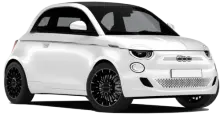
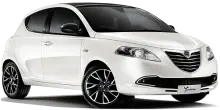
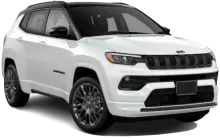
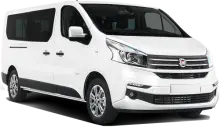


Choose the right car for your trip in Tehran, Iran and book in minutes. Compare trusted rental options, find great daily rates, and secure convenient airport pick-up for your travel dates.
Arriving at Imam Khomeini International Airport (IKA) and wanting the freedom to explore Tehran and beyond? Renting a car is a popular choice, but the process can feel a little different than what you’re used to. This guide covers everything from finding your rental desk to understanding local driving conditions, helping you start your trip smoothly.
Rental desks are generally located within the arrivals area of the airport, though the exact location can vary. You’ll likely find several companies offering services at IKA. Expect a bit of paperwork – it’s standard procedure – and be prepared to carefully review the rental agreement before signing. Take your time with this; it’s the best way to avoid unexpected charges later.
Several international and local companies typically operate at Imam Khomeini International Airport. You’ll often find options from well-known providers. When it comes to choosing a vehicle, consider your itinerary. For city driving, an economy or compact car is often ideal. If you plan on exploring outside of Tehran, or prefer more space, an SUV might be a better fit. Here’s a general idea of what’s commonly available:
| Car Class | Typical Daily Price (USD) |
|---|---|
| Economy | $20 - $35 |
| Compact | $30 - $45 |
| Mid-Size | $40 - $60 |
| SUV | $60 - $100 |
| Luxury | $120+ |
Prices change by season and availability.
Beyond these, you can usually find options like convertibles and vans, depending on demand. The most popular choices tend to be compact cars for easy maneuvering in city traffic, and SUVs for longer journeys.
Generally, you’ll need a valid driver’s license from your home country, and often an International Driving Permit is recommended. The minimum age for renting a car is usually 21, but some companies may require you to be 25 or older. A credit card in the renter’s name is almost always required for the security deposit. Be aware that deposits can be substantial, and it’s important to understand how long it will take for the deposit to be released back to your card after you return the vehicle. Payment is typically accepted by major credit cards, but it’s always wise to confirm accepted methods in advance.
Rental companies will offer various insurance options. Collision Damage Waiver (CDW) covers damage to the rental car itself. Theft Protection covers the vehicle if it’s stolen. Often, these come with an ‘excess’ – the amount you’re still responsible for in the event of damage or theft. You can often reduce this excess by purchasing additional insurance. Carefully consider whether your existing travel insurance or credit card benefits already provide coverage, and ask the rental agent to clearly explain the terms of each option before you decide. Don’t hesitate to ask questions – it’s better to be clear upfront.
Driving in Iran has its own nuances. Speed limits are generally posted in kilometers per hour. Toll roads exist, and it’s helpful to have some small bills available for payment. Parking can be challenging in central Tehran, so be prepared to spend some time looking for a spot. Traffic can be busy, especially during peak hours. While road conditions are generally good on major routes, be aware that conditions can vary on smaller roads. It’s always a good idea to plan your route in advance and allow extra time for travel.
An International Driving Permit is often recommended, even if your home country license is accepted. It’s best to check with the rental company beforehand.
Major credit cards are typically accepted, but a credit card in the renter’s name is almost always required for the security deposit. Cash is rarely accepted.
The ‘excess’ is the amount you’re still responsible for paying if the car is damaged or stolen, even with insurance. You can often reduce this amount with extra coverage.
Deposit refunds can take several weeks to process, depending on your bank and the rental company’s procedures. It’s best to inquire about the timeframe at pickup.
Yes, toll roads exist, particularly on highways. Have some small bills handy for payment.
Parking in central Tehran can be difficult. Allow extra time to find a spot, especially during busy hours.
Carefully inspect the car for any existing damage *before* leaving the rental lot. Document everything with photos or video, and make sure it’s noted on the rental agreement.
Yes, but you’ll usually need to pay an extra daily fee and the additional driver must meet the same requirements as the primary renter.
Rental cars should come with a spare tire, jack, and tools. The rental company should provide a contact number for roadside assistance.
GPS systems are often available for rent, or you can use a smartphone navigation app. Ensure you have a local data plan or offline maps downloaded.
In Iran, they drive on the right side of the road.
Roads are generally well-maintained, but visibility can be reduced at night. Exercise caution and be aware of your surroundings.