Small cars


Choose the right car for your trip in Mauritius, Mauritius and book in minutes. Compare trusted rental options, find great daily rates, and secure convenient airport pick-up for your travel dates.
Arriving at Sir Seewoosagur Ramgoolam International Airport and planning to explore Mauritius by car? Renting a vehicle offers fantastic freedom, but it’s good to know what to expect with the pickup process, potential costs, and the local driving conditions. This guide will walk you through everything you need to know to get on the road with confidence.
Rental car desks are generally located within the main arrivals area of the airport. You’ll usually find a consolidated area representing several companies, making it easy to compare options. Expect a short walk or shuttle ride to the actual vehicle pickup points, which are typically a few minutes from the terminal. Several well-known companies operate at MRU, including Avis, Budget, Europcar, Hertz, and Sixt. Smaller, local providers may also be available.
Mauritius offers diverse landscapes, so your ideal car depends on your plans. Here are some popular choices:
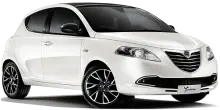
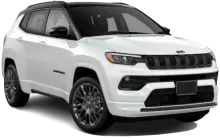
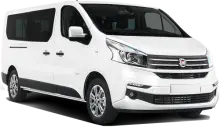
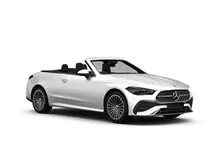
For budget-conscious travelers, an economy car like a Kia Picanto or similar is a great option. Compact cars, such as a Toyota Yaris, provide a bit more space and comfort. If you plan on exploring more rugged terrain or traveling with family, a small SUV like a Hyundai Creta is a good choice. For those seeking comfort and style, mid-size SUVs like a Nissan X-Trail are popular. Larger families or groups might consider a minivan. If you’re looking for a premium experience, luxury cars like a Mercedes-Benz C-Class or BMW 3 Series are often available. For exploring coastal roads, a convertible can be a fun option. A standard automatic sedan, like a Toyota Corolla, is a versatile all-rounder. A pickup truck can be useful if you’re carrying equipment. Finally, a 7-seater SUV is ideal for larger groups.
Here’s a general idea of daily price ranges (prices change by season and availability):
| Car Class | Typical Daily Price (USD) |
|---|---|
| Economy | $25 - $40 |
| Compact | $35 - $55 |
| SUV (Small) | $50 - $80 |
| Mid-Size | $45 - $70 |
| Luxury | $100+ |
Generally, you’ll need a valid driver’s license held for at least two years. An International Driving Permit (IDP) is recommended, though not always required, especially if your license isn’t in English or French. The minimum age for renting is typically 21 or 23, with potential young driver surcharges applying to those under 25. Expect to present a valid passport and a major credit card in the driver’s name for the deposit. Debit cards are often not accepted for the deposit.
Insurance is an important consideration. Collision Damage Waiver (CDW) typically covers damage to the rental vehicle, but often has an excess (deductible). Theft Protection Waiver (TPW) covers theft. You can often reduce the excess by purchasing additional insurance at the rental desk, but carefully consider if your existing travel insurance or credit card benefits already provide coverage. Always ask about the excess amount and what is *not* covered by the insurance.
Mauritius drives on the left side of the road. Roads are generally in good condition, but can be narrow and winding in some areas, particularly in the mountainous interior. Speed limits are generally 80 km/h on highways and 50 km/h in towns. Toll roads are uncommon, but be prepared for occasional road closures due to maintenance or weather. Parking is usually available in towns and tourist areas, but can be limited during peak season. Be mindful of local traffic and pedestrians, and drive defensively.
An IDP is recommended, especially if your license isn't in English or French, but it's not always required. Check with your rental company.
A major credit card in the driver’s name is usually required for the deposit. Debit cards are often not accepted.
CDW (Collision Damage Waiver) covers damage to the rental car, but typically has an excess amount you're responsible for.
Yes, insurance is crucial. Consider CDW, TPW, and whether your existing coverage provides sufficient protection.
In Mauritius, they drive on the left side of the road.
Generally, yes. However, roads can be narrow and winding in some areas, especially inland.
Typically 21 or 23, but a young driver surcharge may apply for renters under 25.
You’ll need a valid driver’s license, passport, and a major credit card.
Toll roads are uncommon, but be aware of potential road closures for maintenance.
Rental cars should include a spare tire and tools. Contact the rental company for assistance if you're unsure.
Yes, but you’ll likely need to pay an additional fee and the additional driver must meet the rental requirements.
Late returns usually incur extra charges, often billed at your daily rental rate.