Small cars

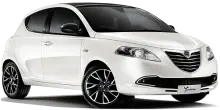
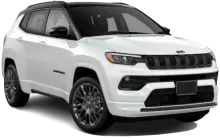
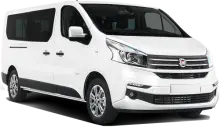

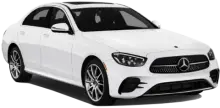
Choose the right car for your trip in Taipei, Taiwan and book in minutes. Compare trusted rental options, find great daily rates, and secure convenient airport pick-up for your travel dates.
Arriving at Taiwan Taoyuan International Airport and planning to explore Taiwan by car? Renting a vehicle offers fantastic freedom, but the process can feel a little different than what you’re used to. This guide covers everything from finding your rental desk to understanding local driving conditions, helping you start your trip smoothly.
Rental car desks are generally located within the main arrival hall of the airport. Follow the signs for ‘Car Rental’ or ‘Transportation’. Most companies offer a shuttle service to their off-airport parking facilities where the cars are kept, so be prepared for a short ride. Several well-known companies typically operate at TPE, including options for a wide range of budgets and preferences. You’ll usually find representatives from most major international rental agencies.
Taiwan’s roads can vary from wide highways to narrow mountain routes, so choosing the right car is important. Here are some popular options:
| Economy | $25 - $40 / day |
| Compact | $30 - $50 / day |
| Intermediate | $40 - $60 / day |
| Standard | $50 - $70 / day |
| SUV (Small) | $60 - $90 / day |
| Luxury | $100+ / day |
Prices change by season and availability.
For exploring cities, an economy or compact car is often ideal. If you plan on venturing into the mountains, a small SUV provides extra ground clearance and comfort. Larger families might prefer a minivan.
Generally, you’ll need a valid driver’s license from your home country. An International Driving Permit (IDP) is often recommended, and sometimes required, especially if your license isn’t in English. The minimum age to rent a car is usually 21, but some companies may have a higher age requirement, particularly for certain vehicle classes. Expect to provide a credit card in the renter’s name for the deposit. Debit cards are sometimes accepted, but often with restrictions. The deposit amount can vary significantly depending on the car type and insurance options, so be sure to ask about this upfront. Payment is typically in local currency, but most companies accept major credit cards.
Rental companies will offer various insurance options. Collision Damage Waiver (CDW) covers damage to the rental car itself. Theft Protection covers loss or damage due to theft. Often, there’s an ‘excess’ – the amount you’re still responsible for in the event of a claim. You can often reduce this excess by purchasing additional insurance. Check if your credit card or existing auto insurance provides any coverage before accepting the rental company’s options. Don’t hesitate to ask the agent to clearly explain the terms of each insurance product.
Taiwan’s highway system is well-maintained, but roads can be busy, especially around major cities. Toll roads are common, and Electronic Toll Collection (ETC) is widely used. Parking can be challenging in urban areas, so look for designated parking lots or garages. Speed limits are generally posted in kilometers per hour. Be aware that traffic laws are strictly enforced. Driving is on the right-hand side of the road.
An IDP is often recommended, and sometimes required, especially if your driver’s license isn’t in English. Check the latest requirements before your trip.
Most rental companies accept major credit cards. Debit cards may be accepted with restrictions.
The minimum age is usually 21, but it can be higher for certain car classes.
CDW (Collision Damage Waiver) covers damage to the rental car itself.
Parking can be challenging in Taipei. Look for designated parking lots or garages.
Yes, toll roads are common. Electronic Toll Collection (ETC) is widely used.
Driving is on the right-hand side of the road in Taiwan.
Rental cars should include a spare tire and tools. Contact the rental company for assistance if you’re unsure.
Yes, but you’ll likely need to pay an additional fee and the additional driver must meet the rental requirements.
The 'excess' is the amount you're still responsible for in the event of a claim, even with insurance.
Yes, GPS navigation systems are usually available for rent, or you can use a smartphone app.
Late returns usually incur extra charges, often calculated per hour or day.