Small cars

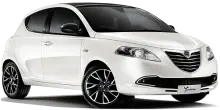
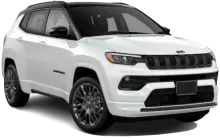
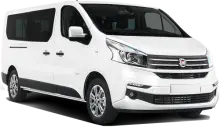


Choose the right car for your trip in Roma, Australia and book in minutes. Compare trusted rental options, find great daily rates, and secure convenient airport pick-up for your travel dates.
Arriving at Roma Airport and planning to explore the region by car? Renting a vehicle offers fantastic freedom, but the process can feel a little daunting. This guide covers everything from collecting your keys to understanding the roads, helping you start your Australian adventure smoothly.
Rental car desks are generally located within the main terminal building at Roma Airport. You’ll usually find a selection of companies offering services here. Common providers include well-known names, offering a range of vehicles to suit different needs and budgets. Follow the signs for ‘Car Rental’ or ‘Ground Transportation’ upon arrival. Some companies operate shuttle services to off-airport pickup locations, so be sure to check the details of your booking.
Roma and the surrounding areas are best explored with a vehicle suited to the terrain. Here are some popular choices:
| Economy | $30 - $50 / day |
| Compact | $40 - $60 / day |
| Intermediate | $50 - $70 / day |
| Standard | $60 - $80 / day |
| SUV (Small) | $70 - $100 / day |
| SUV (Large) | $100 - $150 / day |
Prices change by season and availability.
Beyond these, you’ll find options like convertibles for enjoying the open road, and premium or luxury vehicles for added comfort. Consider an SUV if you plan on venturing onto unsealed roads.
To rent a car in Australia, you’ll typically need a valid driver’s license held for at least one year. International visitors usually require an International Driving Permit alongside their home license. The minimum age is generally 21, though some companies may have higher age restrictions, and young driver surcharges often apply.
A credit card in the renter’s name is usually required for the deposit, which will be held to cover potential damage or excess mileage. Debit cards are sometimes accepted, but often with restrictions. Be aware of potential extra fees for additional drivers.
Rental companies will offer various insurance products. Collision Damage Waiver (CDW) reduces your financial responsibility in case of an accident. Theft Protection covers loss or damage due to theft. ‘Excess’ refers to the amount you’re still liable for, even with CDW. You can often reduce the excess by purchasing additional insurance, but carefully consider if this is worthwhile. Check if your existing travel insurance or credit card provides rental car coverage before making a decision. Don’t hesitate to ask the rental agent to clearly explain the terms of each insurance option.
Australia drives on the left side of the road. Speed limits are generally indicated in kilometers per hour. Be mindful of wildlife, especially in rural areas, and avoid driving at dawn and dusk when animals are most active. Many major roads have tolls, which can be paid electronically or by mail. Parking regulations vary between cities and towns, so pay attention to signage. Familiarize yourself with Australian road rules before you set off to ensure a safe and enjoyable journey.
Typically, a valid driver’s license (held for at least a year) and a credit card in the renter’s name are required. International visitors may also need an International Driving Permit.
The minimum age is usually 21, but some companies may require renters to be older, and young driver fees often apply.
Collision Damage Waiver reduces your financial responsibility if the car is damaged in an accident.
The excess is the amount you’re still responsible for paying, even if you have CDW.
Some companies accept debit cards, but often with restrictions or requiring additional proof of financial stability.
If your driver’s license isn’t in English, or if you’re from certain countries, an International Driving Permit is usually required.
Australians drive on the left side of the road.
Yes, many major roads have tolls, which can be paid electronically or by mail.
Ensure everyone is safe, exchange details with the other driver(s), and contact the police and your rental company.
Parking availability varies. Look for designated parking areas and pay attention to signage regarding time limits and fees.
You’ll need to declare the additional driver and pay an extra fee. They’ll also need to meet the rental requirements.
Late returns usually incur extra charges, often calculated per hour or day.