Small cars
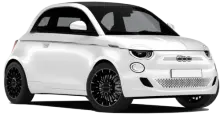
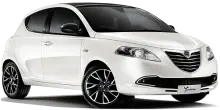
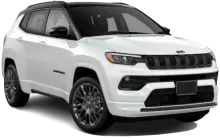
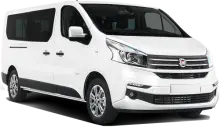
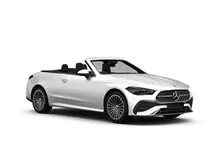
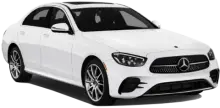
Choose the right car for your trip in Lulea, Sweden and book in minutes. Compare trusted rental options, find great daily rates, and secure convenient airport pick-up for your travel dates.
Arriving at Lulea Airport and planning to explore northern Sweden by car? Renting a vehicle offers fantastic freedom, but it’s good to know what to expect with the pickup process, potential costs, and the specifics of driving in the region. This guide will walk you through everything you need to know to get on the road with confidence.
Rental car desks are generally located within the main airport terminal building, often near the baggage claim area. Follow the signs for ‘Car Rental’ or ‘Rental Cars’ upon arrival. Several companies typically operate at Lulea Airport, including well-known names. You’ll usually find options from providers catering to different budgets and needs.
The best car for you depends on your travel plans. Here are some popular choices:
| Economy | $30 - $50 |
| Compact | $40 - $60 |
| Intermediate | $50 - $70 |
| Standard | $60 - $80 |
| SUV (Compact) | $70 - $100 |
| Luxury | $100+ |
Prices change by season and availability.
For exploring the countryside and potentially dealing with snowy conditions in winter, an SUV with all-wheel drive is a good choice. If you’re mainly sticking to towns and cities, a smaller, more economical car will be perfectly adequate.
To rent a car in Sweden, you’ll generally need a valid driver’s license, a credit card in the primary renter’s name, and a passport. The minimum age is usually 19 or 21, but drivers under 25 may face additional fees. Rental companies will require a security deposit, which is typically held on your credit card and released upon the vehicle’s safe return. Be sure to understand the deposit amount and the conditions for its return.
Rental agreements often include basic insurance, but it’s crucial to understand what’s covered. CDW (Collision Damage Waiver) protects you against damage to the rental car itself. Theft Protection covers the vehicle if it’s stolen. ‘Excess’ refers to the amount you’re still responsible for paying in the event of damage or theft. You can often reduce the excess by purchasing additional insurance at the rental desk, but carefully consider if the extra cost is worthwhile. Don’t hesitate to ask the rental agent to clearly explain all insurance options and what they cover.
Sweden has a well-maintained road network. Speed limits are generally clearly marked – typically 110 km/h on highways, 90 km/h on rural roads, and 50 km/h in urban areas. Tolls are not common, but some bridges and roads in larger cities may have congestion charges. Parking can be limited and sometimes expensive in city centers, so look for designated parking areas. During winter, snow tires are legally required. Driving under the influence of alcohol is strictly prohibited.
You’ll typically need your driver’s license, a valid passport, and a credit card in the primary driver’s name.
For most visitors, an International Driving Permit isn’t required if you have a driver’s license from a country that’s part of the 1949 Geneva Convention on Road Traffic.
If you have CDW (Collision Damage Waiver), it will cover damage to the car, but you may still be responsible for an ‘excess’ amount.
Yes, but you’ll usually need to pay an extra daily fee for each additional driver.
During the winter months, snow tires are legally required. Consider a vehicle with all-wheel drive for better handling in snowy conditions.
Tolls aren’t common, but some bridges and roads in major cities may have congestion charges. These are usually automatically billed to your vehicle.
Credit cards are almost always required for the deposit and rental fee. Debit cards are often not accepted.
Cancellation policies vary by company. Check the terms and conditions of your booking for details.
Yes, you can usually rent child seats, but it’s best to reserve them in advance.
In Sweden, they drive on the right side of the road, just like in most of Europe.
The excess is the amount you’re responsible for paying if the car is damaged or stolen, even with insurance. You can often reduce it with extra insurance.