Small cars


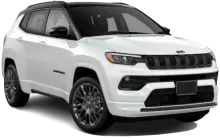
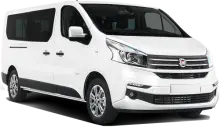


Choose the right car for your trip in Gwangju, South Korea and book in minutes. Compare trusted rental options, find great daily rates, and secure convenient airport pick-up for your travel dates.
Arriving at Gwangju Airport and planning to explore the region by car? Renting a vehicle offers fantastic freedom, but it’s good to know what to expect with the pickup process, potential costs, and the specifics of driving in South Korea. This guide will walk you through everything you need to know to get on the road with confidence.
Rental car desks are generally located within the main terminal building at Gwangju Airport. Follow the signs for ‘Rental Cars’ after you’ve collected your luggage. Most companies offer a shuttle service to the actual car pickup area, which is usually a short ride from the terminal. You’ll likely find a variety of rental companies represented, including well-known international providers.
The best car for you depends on your travel plans. For solo travelers or couples sticking to city driving, an economy or compact car is a practical choice. Families or those planning to explore more rural areas might prefer an SUV. Here are ten popular options you’ll typically find:
Here’s a general idea of daily price ranges. Please remember that prices change by season and availability.
| Car Class | Approximate Daily Price (USD) |
|---|---|
| Economy | $25 - $40 |
| Compact | $35 - $50 |
| SUV | $50 - $80 |
| Luxury | $100 - $200+ |
To rent a car in South Korea, you’ll generally need a valid driver’s license (an International Driving Permit is often required for licenses not in Korean), your passport, and a credit card in the primary driver’s name. The minimum age is usually 21, though some companies may have higher age requirements for certain vehicle classes. A security deposit is standard, and the amount will be held on your credit card. Be sure to understand the deposit amount and the process for its return. Payment is almost always by credit card.
Rental companies will offer various insurance options. Collision Damage Waiver (CDW) covers damage to the rental car itself. Theft Protection covers loss or damage due to theft. ‘Excess’ refers to the amount you’re still responsible for paying in the event of damage or theft, even with CDW. It’s wise to ask about the excess amount and whether you can reduce it with additional insurance. Check if your existing credit card or personal auto insurance provides any coverage while traveling.
Driving in South Korea is generally safe and well-maintained. Roads are well-marked, though signage is primarily in Korean. Toll roads are common, and you’ll typically pay using an electronic toll collection system (Hi-Pass) or cash at toll booths. Speed limits are generally posted in kilometers per hour. Parking can be challenging in larger cities, so look for designated parking areas. Be aware of traffic laws and drive defensively.
It depends on your license. An International Driving Permit is often required if your license isn’t in Korean.
Rental companies almost always require a credit card for the deposit and rental fee.
CDW (Collision Damage Waiver) covers damage, but you may still be responsible for an 'excess' amount.
Parking can be challenging in the city center. Look for designated parking areas.
Yes, roads in South Korea are generally in very good condition.
Toll roads are common. You can pay with an electronic toll system or cash.
Typically 21, but some companies may require you to be older for certain car types.
You’ll need your driver’s license, passport, and a credit card.
Yes, but you’ll need to declare them at pickup and there may be an additional fee.
It’s the amount you pay out-of-pocket even with insurance coverage.
Generally within the main terminal building; follow the signs for 'Rental Cars'.
Many rentals offer GPS as an add-on, or you can use a smartphone navigation app.