Small cars

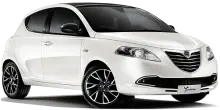

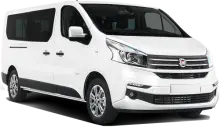


Choose the right car for your trip in Horta (Azores), Portugal and book in minutes. Compare trusted rental options, find great daily rates, and secure convenient airport pick-up for your travel dates.
Arriving at Horta Airport and planning to explore the beautiful island of Faial, or perhaps hop over to Pico? Renting a car offers the most flexibility. This guide covers everything you need to know about picking up a vehicle, understanding costs, and navigating the roads in Portugal.
Rental car desks are generally located within the arrivals hall of Horta Airport. You’ll likely find representatives from several companies offering services there. Common rental companies operating at Horta Airport include those offering a wide range of vehicles, from basic economy cars to larger SUVs. Expect a short walk, or potentially a shuttle ride, to the actual vehicle pickup area.
The best car for you depends on your plans. For solo travelers or couples sticking to the main roads, an economy or compact car is often ideal. Families or those planning to explore more rugged terrain might prefer an SUV. Here’s a general idea of what’s typically available:
| Economy | $30 - $50 |
| Compact | $40 - $60 |
| Intermediate | $50 - $70 |
| Standard | $60 - $80 |
| SUV | $80 - $120 |
| Luxury | $120+ |
Prices change by season and availability.
Generally, you’ll need a valid driver’s license held for at least one year. For many international visitors, an International Driving Permit (IDP) is also recommended, though not always required. The minimum age to rent a car is usually 21, but drivers under 25 may face additional fees. Be prepared to present your passport and a major credit card in the driver’s name. Rental companies will typically place a security deposit on your card to cover potential damages or excess mileage. Payment by debit card is sometimes possible, but often comes with stricter requirements and may not be accepted for the deposit.
Rental agreements often include basic Collision Damage Waiver (CDW), but this usually has a significant excess – the amount you’d pay towards repairs in case of an accident. Consider purchasing Super CDW to reduce or eliminate this excess. Theft Protection is also commonly offered. Carefully review the terms of each insurance option and ask the rental agent to explain what is and isn’t covered. It’s also wise to check if your existing travel insurance or credit card provides any rental car coverage.
Portugal has a network of toll roads, some of which are electronic. If you rent a car, the rental company will usually handle the electronic toll payment, but you may be charged a daily fee for this service, even if you don’t use the toll roads. Parking in Horta and other towns can be limited, especially during peak season. Pay attention to parking signs, as regulations are strictly enforced. Speed limits are generally 50 km/h in urban areas, 90 km/h on secondary roads, and 120 km/h on motorways. Drive on the right side of the road.
It’s recommended for visitors with non-EU licenses, but check the specific requirements based on your country of origin.
Major credit cards are generally required for both rental and the security deposit. Debit card acceptance varies.
The excess is the amount you pay towards damage. It can be several hundred dollars, so consider Super CDW to reduce it.
Yes, especially on motorways. Rental companies often offer electronic toll payment services.
Report the damage immediately to the rental company and follow their instructions. Your insurance will cover costs based on your policy.
Yes, but there’s usually an extra daily fee for each additional driver.
Late returns usually incur extra charges, often a full day’s rental rate.
Yes, you can usually rent a GPS device or use a smartphone navigation app.
You drive on the right side of the road in Portugal.
Automatic cars are available, but manual transmission vehicles are more common and often cheaper.
Carefully inspect the car for any existing damage and document it with photos or on the rental agreement.
Super CDW reduces or eliminates the excess amount you’d pay in case of damage to the rental car.