Small cars

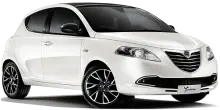
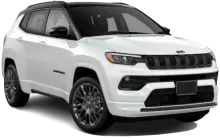
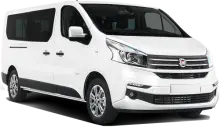


Choose the right car for your trip in Salta, Argentina and book in minutes. Compare trusted rental options, find great daily rates, and secure convenient airport pick-up for your travel dates.
Arriving at Martin Miguel de Guemes International Airport (SLA) in Salta and planning to explore the region by car? Renting a vehicle offers fantastic freedom, but the process can feel a little different than what you’re used to. This guide covers everything from finding your rental to understanding the roads, helping you start your Argentine adventure smoothly.
Rental car desks are generally located within the main arrivals area of the airport. You’ll likely find representatives from several companies readily available. Follow the signs for ‘Car Rental’ or ‘Rental Cars’ after you collect your luggage. Most companies also offer shuttle services to off-airport pickup locations, though these are less common at SLA. Expect a bit of paperwork, and be prepared to spend some time reviewing the rental agreement carefully.
Several well-known rental companies typically operate at Martin Miguel de Guemes International Airport. You can usually find options from companies like Avis, Budget, Europcar, Hertz, and Localiza. The best choice depends on your needs and budget.
Here’s a quick overview of common car classes and approximate daily rates (USD). Keep in mind that prices change by season and availability.
| Car Class | Typical Daily Rate (USD) |
|---|---|
| Economy | $25 - $40 |
| Compact | $35 - $50 |
| Intermediate | $45 - $65 |
| Standard | $55 - $80 |
| SUV | $70 - $120 |
| Luxury | $100+ |
To rent a car in Argentina, you’ll generally need a valid driver’s license from your home country. An International Driving Permit (IDP) is often recommended, especially if your license isn’t in Spanish. The minimum age is usually 21, but some companies may have higher age restrictions, particularly for certain vehicle classes. Expect to provide a valid passport and a major credit card in the renter’s name. Debit cards are often not accepted for the deposit.
Deposits can vary significantly, depending on the car class and insurance options you choose. Be prepared for a substantial hold on your credit card. It’s wise to check your credit card’s foreign transaction fees before you travel.
Rental companies will offer various insurance options. Collision Damage Waiver (CDW) covers damage to the rental car itself. Theft Protection covers the vehicle if it’s stolen. Often, these come with a high ‘excess’ – the amount you’re still responsible for paying in case of damage or theft. You can reduce the excess by purchasing additional insurance, but this will increase the daily rental cost. Carefully consider your existing auto insurance coverage and whether it extends to Argentina before making a decision. Don’t hesitate to ask the rental agent to explain the details of each option clearly.
Driving in Argentina requires a bit of awareness. Toll roads are common, and most accept cash. Have some Argentine pesos handy for this purpose. Parking in Salta city can be challenging, so look for designated parking areas or ‘estacionamientos’. Speed limits are generally posted in kilometers per hour. Be mindful of local driving habits, which can sometimes be more assertive than you’re used to. Road conditions outside of major cities can vary, so allow extra travel time, especially if you’re planning to explore more remote areas.
An IDP is often recommended, even if your license is in English. It’s a good idea to have one to avoid potential issues.
Major credit cards are typically required for the rental and deposit. Debit cards are often not accepted.
The excess is the amount you’re responsible for paying if the car is damaged or stolen, even with insurance.
Yes, toll roads are frequent, especially on highways. Keep some cash (Argentine pesos) for tolls.
Parking can be limited in the city center. Look for designated parking areas or ‘estacionamientos’.
Yes, but you’ll usually need to pay an extra daily fee and the additional driver must meet the rental requirements.
Report the damage to the rental company immediately and follow their instructions for filing a claim.
It depends on your plans. If you’re sticking to main roads, a standard car is fine. For more remote areas, an SUV offers better clearance and stability.
The rental agreement should include a 24-hour assistance number. Don’t hesitate to call them if you need help.
Generally, yes, but be extra cautious. Roads may be less well-lit outside of cities, and visibility can be reduced.
You can use a smartphone app for navigation, but ensure you have a data plan or download offline maps beforehand.
One-way rentals are often possible, but they usually come with a significant extra fee.