Small cars



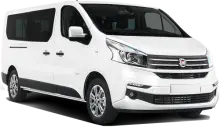


Choose the right car for your trip in Kunming, China and book in minutes. Compare trusted rental options, find great daily rates, and secure convenient airport pick-up for your travel dates.
Arriving at Kunming Changshui International Airport and planning to explore Yunnan province by car? Renting a vehicle offers fantastic freedom, but the process can feel a little different than what you’re used to. This guide covers everything from finding your rental desk to understanding local driving conditions, helping you start your journey smoothly.
Rental car desks are generally located within the main terminal building, often in the arrivals area or a dedicated transportation center. Follow the signs for ‘Car Rental’ or ‘Ground Transportation’ after you collect your luggage. Several companies typically operate at Kunming Changshui International Airport, including options from well-known international providers. Expect a bit of walking, as the desks may not all be clustered in one spot.
The best car for you depends on your travel plans. For city driving and shorter trips, an economy or compact car is a practical choice. If you’re heading into the mountains or plan to cover long distances, a comfortable sedan or SUV will be more suitable. Here’s a general idea of what’s commonly available:
| Car Class | Typical Daily Price (USD) |
|---|---|
| Economy | $25 - $40 |
| Compact | $35 - $50 |
| Intermediate | $45 - $65 |
| Standard | $55 - $80 |
| SUV | $70 - $120 |
| Luxury | $100+ |
Prices change by season and availability.
Generally, you’ll need a valid driver’s license from your home country. An International Driving Permit (IDP) is often recommended, and sometimes required, especially if your license isn’t in English. The minimum age to rent a car is usually 21, but drivers under 25 may face additional fees. Be prepared to present your passport and a major credit card in the renter’s name. Rental companies will typically place a deposit on your card to cover potential damages or extra charges. The deposit amount varies, but it can be substantial, so check the terms carefully.
Rental agreements often include basic insurance, but it’s crucial to understand what’s covered. Collision Damage Waiver (CDW) protects you if the car is damaged in an accident. Theft Protection covers the vehicle if it’s stolen. ‘Excess’ refers to the amount you’re still responsible for paying even with CDW. You can often reduce the excess by purchasing additional insurance at the rental desk, but weigh the cost against the potential risk. Don’t hesitate to ask the agent to explain the insurance options clearly before you sign anything.
Driving in China has its own nuances. Toll roads are common, and you’ll typically pay using cash or a local electronic payment system. Parking can be challenging in city centers, so plan accordingly. Speed limits are generally lower than in many Western countries, and are often posted in kilometers per hour. Be aware that traffic can be quite busy, especially during peak hours. It’s also worth noting that navigation systems may not always be entirely accurate, so having a backup map or offline maps on your phone is a good idea.
An IDP is often recommended, and sometimes required, especially if your driver’s license isn’t in English. Check the specific requirements of the rental company.
Major credit cards are generally accepted, but debit cards may have restrictions. A credit card in the renter’s name is usually required for the deposit.
If you have CDW (Collision Damage Waiver), it will cover damage, but you may still be responsible for an ‘excess’ amount. Check your insurance details.
Yes, automatic transmissions are available, but they may be less common and more expensive than manual transmissions.
Yes, but you’ll likely need to pay an extra fee and the additional driver will need to meet the same requirements as the primary renter.
Toll roads are common. You can usually pay with cash or a local electronic payment system. Have small bills ready.
Navigation systems can sometimes be inaccurate. It’s a good idea to have a backup map or offline maps on your phone.
Remain calm and polite. If you don’t speak Chinese, try to communicate using a translation app or ask someone to assist.
A deposit is held on your credit card to cover potential damages or extra charges. The amount varies, so check the rental agreement.
One-way rentals are often possible, but they usually come with a significant extra fee.
The rental company should provide a 24-hour helpline number. Keep this number handy.
Parking can be challenging in the city center. Look for designated parking areas and be prepared to pay a fee.