Small cars

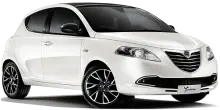
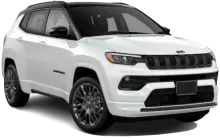
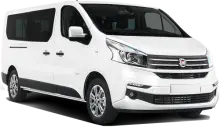
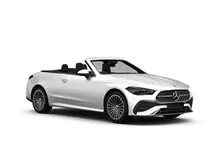

Choose the right car for your trip in Ho Chi Minh City, Vietnam and book in minutes. Compare trusted rental options, find great daily rates, and secure convenient airport pick-up for your travel dates.
Arriving at Tan Son Nhat International Airport and planning to explore Ho Chi Minh City and beyond by car? Renting a vehicle offers flexibility, but it’s good to understand the process beforehand. This guide covers everything from finding your rental desk to navigating Vietnamese roads, and helps you anticipate costs and paperwork.
Rental car desks are generally located within the arrivals area of the airport. You’ll likely find a consolidated area for several companies, though some may have separate desks. Expect a short walk or shuttle ride to the actual vehicle pickup points, which are usually a few minutes from the terminal. Several international companies typically operate at Tan Son Nhat, alongside local providers. You can often find options from well-known names.
The best car for you depends on your travel style and plans. Here are some popular choices:
| Economy (e.g., Kia Picanto) | $15 - $25 / day |
| Compact (e.g., Toyota Vios) | $20 - $30 / day |
| Mid-Size (e.g., Toyota Corolla) | $25 - $35 / day |
| SUV (e.g., Hyundai Tucson) | $40 - $60 / day |
| Minivan (e.g., Toyota Innova) | $50 - $70 / day |
| Luxury (e.g., Mercedes-Benz C-Class) | $80+ / day |
Prices change by season and availability.
Generally, you’ll need a valid driver’s license from your home country. An International Driving Permit (IDP) is often recommended, and sometimes required, especially if your license isn’t in English. The minimum age to rent is usually 21, but some companies may require you to be 25 or older. Expect to provide a passport and a major credit card in the renter’s name. A security deposit will be held on your card; the amount varies depending on the car class, but can range from several hundred to over a thousand USD. Be sure to understand the deposit terms before you sign.
Rental companies will offer various insurance options. Collision Damage Waiver (CDW) covers damage to the rental car itself. Theft Protection covers loss or damage due to theft. Often, these come with an ‘excess’ – the amount you’re still responsible for in case of damage or theft. You can reduce the excess by purchasing additional insurance, but this adds to the cost. Check if your credit card or existing auto insurance provides any coverage before accepting additional insurance at the rental desk. Don’t hesitate to ask the agent to clearly explain the terms of each insurance option.
Traffic in Ho Chi Minh City can be busy and chaotic. Motorbikes are very common, so be aware of your surroundings. Toll roads are prevalent on highways; have some local currency (Vietnamese Dong) handy for these. Parking can be challenging to find in the city center, and it’s often best to use designated parking areas. Speed limits are generally 50 km/h in urban areas and 80-100 km/h on highways, but these can vary, so pay attention to posted signs.
An IDP is often recommended, and sometimes required, especially if your license isn’t in English. Check the specific requirements of the rental company.
Major credit cards are generally accepted. Debit cards may be accepted with restrictions. Cash is rarely accepted for the deposit.
The excess is the amount you’re still responsible for paying if the car is damaged or stolen, even with insurance.
Yes, but you’ll usually need to pay an extra daily fee and the additional driver must meet the same requirements as the primary renter.
Report any damage to the rental company immediately. They will assess the damage and process a claim based on your insurance coverage.
GPS can often be rented as an add-on, or you can use a smartphone navigation app.
Manual transmissions are more common, especially with economy cars. If you prefer an automatic, request it when booking.
In Vietnam, they drive on the right side of the road.
Most toll roads require payment in Vietnamese Dong at toll booths. Some may accept electronic toll collection.
Parking can be challenging, especially in the city center. Look for designated parking areas or ask your hotel for advice.
Remain calm and polite. Have your driver’s license, passport, and rental agreement readily available.
Generally, cross-border travel is not permitted without prior authorization from the rental company.