Small cars

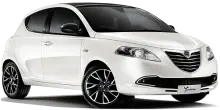
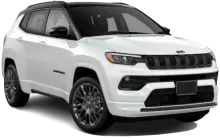
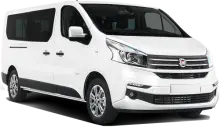
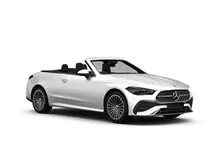

Choose the right car for your trip in Can Tho, Vietnam and book in minutes. Compare trusted rental options, find great daily rates, and secure convenient airport pick-up for your travel dates.
Arriving at Can Tho Airport and planning to explore the Mekong Delta by car? Renting a vehicle offers fantastic freedom, but it’s good to know what to expect with the pickup process, potential costs, and the specifics of driving in Vietnam. This guide will walk you through everything you need to know to get on the road with confidence.
Rental car desks are generally located within the arrivals hall of Can Tho Airport. You’ll likely find representatives from several companies offering services there. Pickup points, where you actually receive the keys and inspect the vehicle, are usually a short shuttle ride away, often within the airport grounds. Allow a little extra time for this transfer. Common rental companies operating at Can Tho Airport include several international and local providers.
The best car for you depends on your travel style and plans. Here are some popular options you’ll typically find available:
| Economy | $15 - $25/day |
| Compact | $20 - $30/day |
| Intermediate | $25 - $35/day |
| Standard | $30 - $45/day |
| SUV (Small) | $40 - $60/day |
| Luxury | $70+/day |
Prices change by season and availability.
To rent a car in Vietnam, you’ll generally need a valid driver’s license from your home country, and an International Driving Permit is highly recommended. Most rental companies require renters to be at least 21 years old, though some may have higher age restrictions for certain vehicle classes. Be prepared to present your passport and credit card for payment and security deposit. Deposits are typically held on your card and released upon the vehicle’s safe return. Payment is almost always by credit card; cash is rarely accepted.
Rental companies will offer various insurance options. Collision Damage Waiver (CDW) covers damage to the rental car itself. Theft Protection covers loss or damage due to theft. Pay attention to the ‘excess’ – this is the amount you’re still responsible for in the event of a claim. You can often reduce the excess by purchasing additional insurance, but weigh the cost against the potential risk. Don’t hesitate to ask the rental agent to clearly explain what each insurance covers and what your financial responsibility would be in different scenarios.
Driving in Vietnam can be an adventure! Traffic can be busy, especially in cities. Be aware that motorbikes are very common, and traffic rules aren’t always strictly followed. Toll roads are present on some major highways; have some local currency handy for these. Parking can be challenging in urban areas, so look for designated parking areas or ask your hotel for advice. Speed limits are generally 80 km/h on highways and lower in urban areas, but these are not always well-marked or enforced. Defensive driving is key.
An International Driving Permit is highly recommended, even if your home country license is accepted. It simplifies things and avoids potential issues.
Almost all rental companies require a major credit card for both payment and the security deposit.
The excess is the amount you’re responsible for paying if the car is damaged or stolen, even with insurance.
Driving requires caution. Traffic can be chaotic, and it’s important to be a defensive driver.
Yes, some major highways have tolls. It’s useful to have some local currency for these.
Report any damage immediately to the rental company and follow their instructions for filing a claim.
Rental desks are usually in the arrivals hall, but the actual car pickup point is often a short shuttle ride away.
Bring your passport, driver’s license, International Driving Permit (if applicable), and a credit card.
Parking can be challenging. Look for designated parking areas or ask for advice from your hotel.
Don’t hesitate to ask the rental agent at the desk. It’s best to clarify everything before you drive away.
Many rental companies offer GPS navigation systems as an add-on. You can also use smartphone navigation apps.
They drive on the right side of the road in Vietnam.