Small cars





Choose the right car for your trip in Auckland, New Zealand and book in minutes. Compare trusted rental options, find great daily rates, and secure convenient airport pick-up for your travel dates.
Arriving at Auckland Airport and planning to explore New Zealand by car? Renting a vehicle offers fantastic freedom, but the pickup process, insurance options, and local driving conditions can feel a little different than what you’re used to. This guide will walk you through everything you need to know to get on the road with confidence.
Rental car desks are generally located within the main airport terminal building, easily accessible after you’ve collected your luggage. Many companies operate a shuttle service to off-airport pickup locations, which is common during peak times. You’ll typically find a wide range of providers, including well-known names. Expect a bit of a wait during busy periods, especially if you haven’t pre-booked.
Auckland and the surrounding areas offer diverse landscapes, so the best car for you depends on your itinerary. Here are some popular choices:
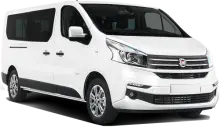
Economy cars are great for city driving and budget travelers. Compact cars offer a bit more space for passengers and luggage. Intermediate cars provide a comfortable ride for longer journeys. Standard cars are a good all-around option for families. SUVs are ideal if you plan on exploring gravel roads or need extra space. Minivans are perfect for larger groups. Premium and luxury cars offer enhanced comfort and features. Convertibles are a fun way to experience the scenery. Electric vehicles are becoming increasingly available. And finally, 4x4 vehicles are best for more challenging terrain.
Here’s a general idea of daily price ranges (prices change by season and availability):
| Car Class | Approximate Daily Price (USD) |
|---|---|
| Economy | $30 - $50 |
| Compact | $40 - $60 |
| Intermediate | $50 - $80 |
| SUV | $70 - $150 |
| Standard | $60 - $90 |
To rent a car in New Zealand, you’ll generally need a valid driver’s license (held for at least one year), a credit card in the renter’s name, and a passport. The minimum age is usually 21, but some companies may have higher age restrictions or charge young driver fees. Deposits are typically held on your credit card as a security measure, and the amount can vary depending on the car class and insurance options. Be sure to understand the deposit terms before you sign the rental agreement.
Rental companies will offer various insurance options. Collision Damage Waiver (CDW) covers damage to the rental car itself. Theft Protection covers loss or damage due to theft. Excess Reduction (or Super CDW) lowers the amount you’d pay if damage occurs. Carefully consider your existing insurance coverage and whether you need to purchase additional protection. Don’t hesitate to ask the rental agent to explain the details of each option and what the ‘excess’ amount is – that’s the portion you’d be responsible for in case of an incident.
New Zealand drives on the left side of the road. Speed limits are generally posted in kilometers per hour. Rural roads can be winding and narrow, so allow plenty of time for your journey. Parking regulations vary by city and town, so pay attention to signage. Toll roads are uncommon, but you may encounter them in some areas. It’s a good idea to familiarize yourself with New Zealand road rules before you start driving.
Generally, no, if your driver’s license is in English. However, it’s always best to check the specific requirements of your rental company.
Credit cards are almost always required for the deposit and rental fee. Debit cards are rarely accepted.
Report any damage immediately to the rental company and follow their instructions. Your insurance coverage will determine your financial responsibility.
Yes, but you’ll usually need to pay an additional fee and the extra driver must meet the same requirements as the primary renter.
They drive on the left side of the road in New Zealand.
Toll roads are uncommon, but you might encounter them in certain areas. Be prepared to pay electronically or with cash.
Parking can be limited and expensive in the city center. Look for parking buildings or check for street parking with time restrictions.
The ‘excess’ is the amount you’re responsible for paying if damage occurs, even with insurance. Reducing the excess usually costs extra.
A GPS or smartphone with maps is highly recommended, especially if you plan to explore outside of major cities.
Some rental companies allow it, but you’ll need to get their permission in advance and may be subject to restrictions.
Carefully inspect the car for any existing damage and document it with photos or on the rental agreement.
You’ll likely be charged an additional day’s rental fee, or a pro-rated hourly rate.