Small cars

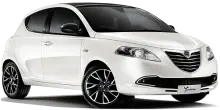
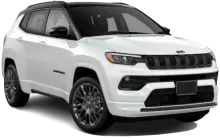
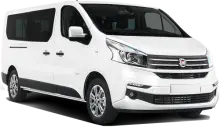


Choose the right car for your trip in Abymes, Guadeloupe and book in minutes. Compare trusted rental options, find great daily rates, and secure convenient airport pick-up for your travel dates.
Arriving at Pointe-a-Pitre International Airport and planning to explore Guadeloupe by car? Renting a vehicle offers the freedom to discover the island’s diverse landscapes at your own pace. This guide covers everything from the rental process at the airport to understanding local driving conditions, helping you start your trip smoothly.
Rental car desks are generally located within the arrivals hall at the airport. You’ll typically find representatives from several companies ready to assist you. Expect the usual paperwork – reviewing the rental agreement, confirming your driver’s license, and providing a credit card for the deposit. Take your time with the agreement; understand what you’re signing. Before leaving the lot, carefully inspect the vehicle for any existing damage and document it with the rental agent to avoid potential charges later.
Several well-known rental companies operate at Pointe-a-Pitre International Airport. You’ll likely find options from companies offering a wide range of vehicles. The best choice depends on your needs and budget. Here’s a look at some popular car types:
| Economy | $30 - $50/day |
| Compact | $40 - $60/day |
| Intermediate | $50 - $70/day |
| Standard | $60 - $80/day |
| SUV | $80 - $150/day |
| Luxury | $120+/day |
Prices change by season and availability.
For exploring Guadeloupe’s mountainous interior, an SUV can be a good choice. If you’re primarily sticking to coastal roads, a compact or economy car will likely suffice. Consider the number of passengers and luggage when making your decision.
Generally, you’ll need a valid driver’s license held for at least one year. Most companies require renters to be at least 21 years old, though some may have a higher age requirement for certain vehicle classes. A credit card in the renter’s name is essential for the security deposit. Debit cards are often not accepted. The deposit amount varies depending on the vehicle type and insurance coverage. Be prepared for this to be a significant amount, potentially several hundred dollars.
Rental companies will offer various insurance options. Collision Damage Waiver (CDW) covers damage to the rental car itself. Theft Protection covers loss or damage due to theft. Often, there’s an ‘excess’ – the amount you’re still responsible for in the event of a claim. You can reduce this excess by purchasing additional insurance. Check if your existing auto insurance or credit card provides rental car coverage before accepting additional insurance at the counter. Don’t hesitate to ask the agent to clearly explain the terms of each insurance option.
Driving in Guadeloupe is generally straightforward, but there are a few things to keep in mind. Roads are well-maintained, but can be narrow and winding, especially in the mountains. Speed limits are generally posted in kilometers per hour. Parking in towns can be challenging, so be patient. Toll roads are not common, but you may encounter small fees for certain tunnels. Be aware of local drivers and pedestrians, and always drive defensively.
You’ll typically need a valid driver’s license (held for at least a year) and a credit card in your name.
Most companies require renters to be at least 21, sometimes older for certain car types.
Collision Damage Waiver covers damage to the rental vehicle itself.
It’s the amount you’re still responsible for paying if there’s damage or theft, even with insurance.
Generally, no. Most rental companies require a credit card for the security deposit.
Yes, but roads can be narrow and winding, especially in mountainous areas.
Toll roads are uncommon, but small fees may apply for certain tunnels.
Parking can be challenging in towns, so allow extra time.
Absolutely. Carefully check for any existing damage and document it with the rental agent.
Prices are typically quoted in US dollars, but confirm with the rental company.
They drive on the right side of the road in Guadeloupe.
Generally, yes, but be extra cautious as roads may be less well-lit in some areas.