Small cars

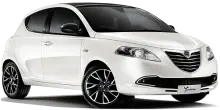
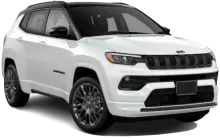
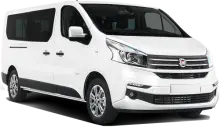
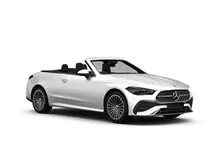
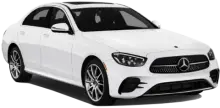
Choose the right car for your trip in Chambery, France and book in minutes. Compare trusted rental options, find great daily rates, and secure convenient airport pick-up for your travel dates.
Arriving at Chambery Airport and planning to explore the French Alps or the surrounding region? Renting a car offers fantastic freedom. This guide covers everything from finding your rental desk and understanding the paperwork, to navigating costs and getting comfortable behind the wheel in France.
Rental desks at Chambery Airport are generally located within the main terminal building, easily accessible after baggage claim. You’ll typically find representatives from several companies offering vehicles. Common rental companies operating at Chambery include well-known names. Allow ample time for the pickup process, especially during peak season. It often involves completing paperwork, reviewing the vehicle condition report, and understanding the insurance options.
The best car for you depends on your travel plans. For solo travelers or couples exploring towns, an economy or compact car is often ideal. Families or those needing more space might prefer an intermediate or standard vehicle. If you’re heading into the mountains, especially during winter, an SUV with all-wheel drive is a smart choice. For a more comfortable experience, luxury cars are also available. Here’s a general idea of what you might find:
| Car Class | Typical Daily Price (USD) |
|---|---|
| Economy | $30 - $50 |
| Compact | $40 - $60 |
| Intermediate | $50 - $80 |
| Standard | $60 - $90 |
| SUV | $80 - $150 |
| Luxury | $150+ |
Please note: prices change by season and availability.
To rent a car in France, you’ll generally need a valid driver’s license (held for at least a year), a credit card in the primary driver’s name, and a passport. The minimum age is usually 21, but drivers under 25 may face additional fees. Rental companies will require a security deposit, typically held on your credit card. Be aware of the payment methods accepted – debit cards are often not accepted for the deposit.
Rental agreements come with insurance options, which can be a bit confusing. Collision Damage Waiver (CDW) covers damage to the rental car itself. Theft Protection covers the vehicle if it’s stolen. Often, these come with an ‘excess’ – the amount you’re responsible for paying in case of damage or theft. You can reduce this excess by purchasing additional insurance at the rental desk, but consider if your credit card or existing travel insurance already provides coverage. Don’t hesitate to ask the rental agent to clearly explain the terms of each insurance option.
France has a well-maintained road network, but driving can be different than what you’re used to. Many highways have tolls – be prepared to pay with a credit card or cash. Parking in cities can be challenging and expensive; look for designated parking areas. Speed limits are generally lower than in some other countries: around 130 km/h on highways, 80 km/h on dual carriageways, and 50 km/h in towns. Familiarize yourself with French traffic laws before you go for a smoother, safer journey.
Typically, you’ll need a valid driver’s license, a passport, and a credit card.
For many nationalities, an International Driving Permit isn’t required if your license is in English or French, but it’s always best to check the specific requirements based on your country of origin.
Most rentals include CDW, but there’s usually an excess. You’ll be responsible for paying the excess amount unless you purchase additional insurance to reduce it.
Yes, but you’ll usually need to pay an extra daily fee and the additional driver must meet the same requirements as the primary driver.
Many highways have tolls. You can pay with a credit card, cash, or a toll tag if you have one.
Parking in the city center can be limited and expensive. Look for designated parking garages or ‘park and ride’ options.
Contact the rental company as soon as possible. Most companies offer some grace period, but it’s best to inform them of any delays.
A major credit card is almost always required for the deposit. Debit cards are often not accepted.
CDW covers damage to the rental vehicle itself, but usually has an excess amount you’re responsible for.
Generally, you can, but you must inform the rental company in advance and there may be restrictions or additional fees.
In France, they drive on the right side of the road.
Automatic cars are available, but manual transmission vehicles are more common and often less expensive.