Small cars


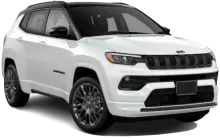
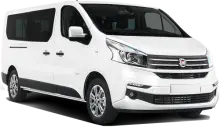


Choose the right car for your trip in Yangyang, South Korea and book in minutes. Compare trusted rental options, find great daily rates, and secure convenient airport pick-up for your travel dates.
Arriving at Yangyang Airport and planning to explore the surrounding area by car is a great idea. This guide will walk you through the car rental process, from finding your rental company to understanding the roads. We’ll cover what to expect with paperwork, potential costs, and a few things to keep in mind while driving in South Korea.
Rental car desks at Yangyang Airport are generally located within the main terminal building, usually near the arrivals hall. Follow the signs for ‘Car Rental’ or ‘Rental Cars’ – they are typically quite visible. Most companies offer a shuttle service to the actual car pickup area if it isn’t directly adjacent to the desks. Several international and local companies commonly operate at Yangyang Airport, including options like Avis, Budget, Hertz, and Jeju Rent a Car. It’s always a good idea to compare prices and inclusions before booking.
Yangyang’s location, near both the coast and mountains, means a variety of vehicles can be useful. Here are some popular choices:
| Economy | $25 - $40 / day |
| Compact | $30 - $50 / day |
| Intermediate | $40 - $60 / day |
| Standard | $50 - $70 / day |
| SUV (Small) | $60 - $90 / day |
| Luxury | $100+ / day |
Prices change by season and availability.
To rent a car in South Korea, you’ll generally need a valid driver’s license from your home country. An International Driving Permit (IDP) is often required, especially if your license isn’t in English or Korean. You’ll also need your passport. The minimum age to rent is typically 21, though some companies may require you to be 25 for certain vehicle classes. Expect to provide a credit card in the renter’s name for the deposit, which can range from a few hundred to over a thousand US dollars, depending on the car and insurance options. Debit cards are rarely accepted for the deposit.
Car rental companies will offer various insurance options. Collision Damage Waiver (CDW) covers damage to the rental car itself. Theft Protection covers the vehicle if it’s stolen. Often, these come with an ‘excess’ – the amount you’re still responsible for paying in case of damage or theft. You can reduce this excess by purchasing additional insurance, but it will increase the daily rental cost. Carefully consider your existing auto insurance coverage and whether it extends to rentals in South Korea. Don’t hesitate to ask the rental agent to clearly explain the terms of each insurance option.
South Korea has a well-maintained road network. Toll roads are common, and you’ll typically pay using an electronic toll collection system (Hi-Pass) or cash at toll booths. Parking can be challenging in larger cities, but parking garages are readily available. Speed limits are generally posted in kilometers per hour. Be aware that traffic can be heavy during peak hours, especially in and around Seoul. Driving is on the right side of the road.
Generally, yes. An IDP is often required alongside your home country driver’s license, especially if your license isn’t in English or Korean.
A major credit card in the renter’s name is almost always required for the deposit. Debit cards are rarely accepted.
If you have CDW (Collision Damage Waiver), it will cover damage to the car, but usually with an ‘excess’ – an amount you’ll still be responsible for.
Parking can be limited in the town center, but parking garages are available. Expect to pay for parking in most areas.
Yes, South Korea has a modern and well-maintained road network.
Typically 21, but some companies may require you to be 25 or older, especially for larger vehicles.
Toll roads are common. You can pay with cash or use an electronic toll collection system (Hi-Pass).
They drive on the right side of the road in South Korea.
Yes, but you’ll need to declare the additional driver at pickup and they will likely need to meet the same requirements as the primary renter.
CDW covers damage to the rental vehicle itself, but usually has an excess amount you’re still responsible for.
GPS navigation is often available as an add-on, or you can use a smartphone navigation app.
Rental cars come with a spare tire and tools. The rental company should provide instructions, or you can call their roadside assistance number.