Small cars


Choose the right car for your trip in Toulouse, France and book in minutes. Compare trusted rental options, find great daily rates, and secure convenient airport pick-up for your travel dates.
Picking up a rental car at Toulouse-Blagnac Airport is a convenient way to explore Toulouse and the surrounding region. The process generally involves locating the rental desks, completing some paperwork, understanding the costs involved, and then familiarizing yourself with local driving conditions. This guide will walk you through what to expect, helping you make the most of your rental experience.
Rental car desks are typically located within the main terminal building, often accessible from the arrivals hall. Follow the signs for ‘Car Rental’ or ‘Rental Cars’ – they are usually quite clear. Many companies also operate shuttle buses to off-airport facilities, which will be indicated upon booking. You’ll likely encounter familiar names like Avis, Budget, Enterprise, Hertz, Europcar, and Sixt at Toulouse-Blagnac Airport.
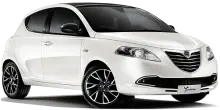
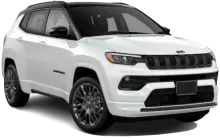
The best car for you depends on your travel plans. For solo travelers or couples exploring the city, an economy or compact car is often ideal. Families or those planning trips to the countryside might prefer an SUV. Here are ten popular choices:
Generally, you’ll need a valid driver’s license (held for at least a year, sometimes longer depending on age), a passport, and a credit card in the primary driver’s name. The minimum age to rent a car is usually 21, but drivers under 25 may face additional fees. Rental companies will require a deposit, typically held on your credit card as a security block. Payment methods are usually major credit cards; debit cards are sometimes accepted with restrictions.
Be prepared for potential extra charges. These can include fees for additional drivers, young driver surcharges, one-way rentals, and out-of-hours pickups or drop-offs. Always carefully review the rental agreement before signing.
Rental companies will offer various insurance options. Collision Damage Waiver (CDW) covers damage to the rental car itself. Theft Protection covers theft or attempted theft. Often, there’s an ‘excess’ – the amount you’re still liable for in case of damage or theft. You can reduce this excess by purchasing additional insurance, but consider whether your existing travel insurance or credit card benefits already provide coverage. Don’t hesitate to ask the rental agent to clearly explain the insurance options and what they cover.
France has a well-maintained road network, but driving can be different from what you’re used to. Many highways have tolls – be prepared to pay with cash or a credit card. Parking in cities can be challenging and often requires payment. Speed limits are generally 130 km/h on highways, 80 km/h on dual carriageways, and 50 km/h in urban areas, but always check the signage. Roundabouts are common, and drivers already in the roundabout have priority.
| Car Class | Typical Daily Price (USD) |
|---|---|
| Economy | $30 - $50 |
| Compact | $40 - $60 |
| SUV | $60 - $100 |
| Luxury | $120 - $200+ |
Prices change by season and availability.
You’ll generally need a valid driver’s license, a passport, and a credit card in the primary driver’s name.
For short-term rentals, an International Driving Permit isn’t usually required if your license is in English or French. Check the specific requirements of your rental company.
Most rentals include Collision Damage Waiver (CDW), but there’s often an excess amount you’re responsible for. You can reduce this excess with additional insurance.
Yes, many highways in France have tolls. Be prepared to pay with cash or a credit card.
Yes, but you’ll likely need to pay an additional fee and the extra driver must be listed on the rental agreement.
One-way rentals are often possible, but they usually come with a significant surcharge.
The minimum age is usually 21, but drivers under 25 may face extra fees.
Major credit cards are typically accepted. Debit cards may be accepted with restrictions.
A deposit is usually held on your credit card as a security block. It’s released when you return the car undamaged.
They are usually within the main terminal building, accessible from the arrivals hall. Look for signs.
Carefully inspect the car for any existing damage and make sure it’s noted on the rental agreement.
Parking in the city center can be challenging and often requires payment. Look for designated parking areas.