Small cars


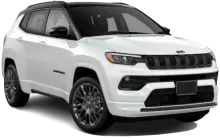
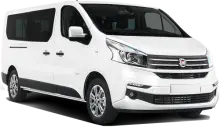


Choose the right car for your trip in Toronto, Canada and book in minutes. Compare trusted rental options, find great daily rates, and secure convenient airport pick-up for your travel dates.
Arriving at Pearson International Airport and planning to explore Toronto and beyond? Renting a car offers fantastic freedom, but the pickup process, understanding costs, and getting comfortable with local driving conditions can feel a little daunting. This guide aims to make your rental experience smooth and stress-free, covering everything from finding the desks to navigating Canadian roads.
Rental car desks are generally located within the airport terminals, often accessible via clearly marked signs. Many companies operate a shuttle service to off-airport facilities, which is common during peak travel times. Expect a short ride if your chosen company uses an off-site location. Several well-known companies typically have a presence at Pearson, including options for a wide range of budgets and vehicle preferences.
The best car for you depends on your travel plans. Here are some popular choices you’ll likely find available:
| Economy | $30 - $50 / day |
| Compact | $35 - $60 / day |
| Intermediate | $40 - $70 / day |
| Standard | $50 - $80 / day |
| SUV (Small/Mid-Size) | $60 - $120 / day |
| Luxury/Premium | $90+ / day |
Prices change by season and availability.
For city driving and shorter trips, an economy or compact car is often ideal. If you’re planning to explore outside of Toronto, or if you’re traveling with a group, an SUV or larger vehicle might be a better fit.
To rent a car in Canada, you’ll generally need a valid driver’s license from your home country, and often an International Driving Permit is recommended, especially if your license isn’t in English or French. The minimum age is usually 21, but some companies may have higher age requirements and associated young driver fees. Be prepared to present a major credit card in the renter’s name for the deposit, which can range from a few hundred to over a thousand dollars depending on the vehicle and insurance options. Debit cards are often not accepted for the deposit.
Rental companies will offer various insurance products. Collision Damage Waiver (CDW) covers damage to the rental car itself. Theft Protection covers loss or damage due to theft. Excess insurance reduces the amount you’d pay out-of-pocket in the event of a claim. Check if your existing auto insurance or credit card provides coverage before purchasing additional insurance. Don’t hesitate to ask the rental agent to clearly explain the terms and conditions of each option.
Canada uses kilometers per hour for speed limits, which are clearly posted. Speed limits vary by province and road type. Toronto has a network of toll highways, and payment is typically electronic. Parking regulations can be strict, especially in the city center, so pay attention to signage. Winter driving conditions can be challenging, so if you’re traveling during the colder months, consider a vehicle with all-wheel drive and be prepared for snow and ice.
Typically, a valid driver’s license and a major credit card are required. An International Driving Permit is recommended if your license isn’t in English or French.
Most companies require renters to be at least 21 years old, but some may have higher age limits and extra fees for younger drivers.
The deposit covers potential damage to the vehicle, theft, or extra charges. The amount varies based on the car and insurance choices.
Generally, no. Most rental companies require a major credit card in the renter’s name for the deposit.
Collision Damage Waiver covers damage to the rental car itself. It’s not always mandatory, but it can reduce your financial responsibility.
Check if your existing auto insurance or credit card provides coverage. If not, consider CDW, theft protection, or excess insurance.
Some highways, especially around major cities, have tolls. Payment is usually electronic.
Speed limits are in kilometers per hour and vary by province and road type. Always check posted signs.
Winter driving can be challenging due to snow and ice. Consider an all-wheel drive vehicle and drive cautiously.
Rental counters are usually within the airport terminals, or accessible by shuttle bus from an off-airport facility.
Report any damage immediately to the rental company. Your insurance coverage will determine your financial responsibility.
Rental cars come with a spare tire and tools. If you’re not comfortable changing it yourself, contact the rental company for assistance.