Small cars


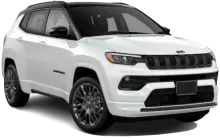
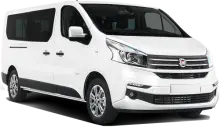


Choose the right car for your trip in Toronto, Canada and book in minutes. Compare trusted rental options, find great daily rates, and secure convenient airport pick-up for your travel dates.
Arriving at Hamilton Airport and planning to explore Toronto and beyond? Renting a car offers fantastic freedom, but the pickup process, understanding costs, and getting comfortable with local driving conditions can feel a little daunting. This guide will walk you through everything you need to know about renting a vehicle at YHM, from finding the rental desks to hitting the open road.
Rental car desks are generally located within the main terminal building, often near the baggage claim area. Follow the signs for ‘Car Rental’ or ‘Ground Transportation’ upon arrival. Most companies offer a shuttle service to the actual car pickup location, which may be a short drive from the terminal. Expect a bit of a wait for the shuttle during peak times. Several companies commonly operate at Hamilton Airport, including well-known names.
The best car for you depends on your travel plans. Here are some popular options you’ll likely find available:
| Economy | $30 - $50 / day |
| Compact | $35 - $60 / day |
| Intermediate | $40 - $70 / day |
| Standard | $50 - $80 / day |
| SUV (Small/Mid-Size) | $60 - $100 / day |
| Luxury | $80 - $150+ / day |
Prices change by season and availability.
For city driving and shorter trips, an economy or compact car is often a good choice. If you’re planning to explore more rural areas or need space for luggage, consider an SUV or a larger vehicle.
Generally, you’ll need a valid driver’s license, a major credit card in your name, and a passport. The minimum age to rent a car in Canada is typically 21, but some companies may have a higher age requirement and charge a young driver fee for renters under 25. Be prepared for a security deposit, which is usually held on your credit card and released when the car is returned in good condition. Debit cards are often not accepted for the deposit.
Rental companies will offer various insurance options. Collision Damage Waiver (CDW) covers damage to the rental car itself. Theft Protection covers the vehicle if it’s stolen. Excess insurance reduces the amount you’d have to pay out-of-pocket in the event of damage or theft. Check if your existing car insurance or credit card provides coverage before purchasing additional insurance at the rental desk. Don’t hesitate to ask the agent to clearly explain the terms of each insurance option.
Canada uses the metric system, so speed limits are posted in kilometers per hour. Familiarize yourself with these limits. Some highways may have tolls, particularly in Ontario. Parking regulations vary by city and town; pay attention to signage to avoid tickets. Winter driving conditions can be challenging, so if you’re traveling during the colder months, consider a vehicle with all-wheel drive and be prepared for snow and ice.
Rental desks are usually inside the terminal. A shuttle will likely take you to the car pickup area.
A valid driver’s license, a passport, and a major credit card are typically required.
CDW insurance covers damage to the rental car. Check your existing insurance for coverage.
Generally, no. Most companies require a major credit card for the security deposit.
It depends on your existing coverage. Review your car insurance and credit card benefits.
Canadians drive on the right side of the road.
Speed limits are posted in kilometers per hour.
Parking can be costly, especially in downtown Toronto. Look for parking garages or use public transportation.
Winter tires are recommended, and driving conditions can be hazardous. Be prepared for snow and ice.
Some highways have tolls. Have some cash or a payment method ready.
You may face a young driver fee and have limited car options.
Rental cars come with a spare tire and tools. If you're unsure, call the rental company's roadside assistance.