Small cars

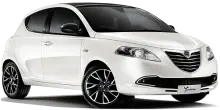




Choose the right car for your trip in Paris, France and book in minutes. Compare trusted rental options, find great daily rates, and secure convenient airport pick-up for your travel dates.
Arriving at Paris Orly Airport and planning to explore beyond the city? Renting a car offers fantastic freedom, but the pickup process, understanding costs, and navigating French roads can feel a little daunting. This guide aims to make your rental experience smooth and stress-free, covering everything from finding the desks to understanding your insurance options.
Rental car desks at Paris Orly are generally located within the airport terminals, often with easy access from the baggage claim areas. You’ll typically find a consolidated rental car village, accessible via shuttle or a short walk, where most companies have their counters. Expect a bit of a walk or a short shuttle ride to the actual car pickup areas, which are usually a few minutes from the rental desks. Several well-known companies operate at Orly, including Avis, Budget, Europcar, Hertz, Sixt, and Enterprise. Smaller, local companies may also be present.
Paris Orly offers a wide range of vehicles to suit your needs. Here are some popular choices:
| Economy (e.g., Fiat 500) | $30 - $50 / day |
| Compact (e.g., Volkswagen Golf) | $40 - $60 / day |
| Intermediate (e.g., Peugeot 308) | $50 - $70 / day |
| Standard (e.g., Ford Mondeo) | $60 - $80 / day |
| SUV (e.g., Renault Kadjar) | $70 - $120 / day |
| Luxury (e.g., BMW 3 Series) | $120+ / day |
Prices change by season and availability.
Consider your itinerary. If you’re mainly in Paris, a smaller car is easier to park. For exploring the countryside, an SUV might be more comfortable.
To rent a car in France, you’ll generally need a valid driver’s license (held for at least a year), a passport, and a credit card in the primary driver’s name. The minimum age is usually 21, but drivers under 25 may face additional fees. Deposits are standard, and the amount will be blocked on your credit card – expect several hundred dollars, depending on the vehicle. Be aware of potential extra charges for things like additional drivers or returning the car to a different location.
Rental companies will offer various insurance options. Collision Damage Waiver (CDW) covers damage to the rental car itself. Theft Protection covers theft or attempted theft. Often, there’s an ‘excess’ – the amount you’re still responsible for in case of damage or theft. You can reduce this excess by purchasing additional insurance, but it adds to the cost. Check if your credit card or existing car insurance provides any coverage before accepting additional insurance at the rental desk. Don’t hesitate to ask the agent to clearly explain the terms of each insurance option.
French roads are generally well-maintained. Motorways (autoroutes) have tolls, payable with cash or a credit card. Parking in cities can be challenging and expensive; look for designated parking areas. Speed limits are typically 130 km/h on motorways, 80 km/h on dual carriageways, and 50 km/h in built-up areas. Be aware of priority rules at roundabouts – vehicles already on the roundabout have right of way.
You’ll typically need your driver’s license, passport, and a credit card in the primary driver’s name.
For short-term rentals, an International Driving Permit isn’t usually required if your license is in English or French. Check the specific requirements based on your license origin.
The excess is the amount you’re responsible for paying if the car is damaged or stolen, even with insurance.
Yes, but there’s usually an extra daily fee for each additional driver.
Report any damage immediately to the rental company and follow their instructions. You’ll likely need to complete an accident report.
Yes, motorways (autoroutes) have tolls. You can pay with cash, credit card, or electronic toll systems.
Parking in Paris can be difficult and expensive. Look for designated parking garages or ‘parcmètres’ (parking meters).
In France, they drive on the right side of the road.
You’ll likely be charged an extra day’s rental fee, or a pro-rated hourly rate.
Yes, but this usually incurs a one-way rental fee.
Credit cards are generally required for the deposit and rental fee. Debit cards are often not accepted.
Rental cars come with a spare tire and tools. The rental company should provide instructions, or you can call their roadside assistance number.