Small cars
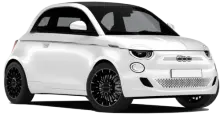
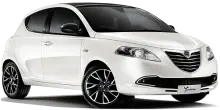
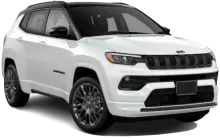
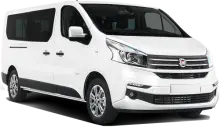
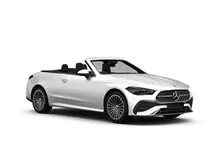
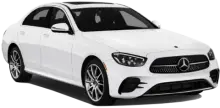
Choose the right car for your trip in Tehran, Iran and book in minutes. Compare trusted rental options, find great daily rates, and secure convenient airport pick-up for your travel dates.
Arriving at Mehrabad International Airport and planning to explore Tehran or beyond? Renting a car offers flexibility, but it’s good to know what to expect with the pickup process, potential costs, and driving conditions. This guide covers everything from finding your rental desk to understanding insurance options and navigating Iranian roads.
Rental car desks are generally located within the main airport terminal building. Follow the signs for ‘Car Rental’ or ‘Ground Transportation’ after you’ve collected your luggage. Most companies offer a shuttle service to the actual car park where your vehicle will be, which is usually a short ride from the terminal. Be prepared to present your documents and complete the necessary paperwork at the desk before heading to the car.
Several rental companies typically operate at Mehrabad International Airport, offering a range of vehicles to suit different needs and budgets. You’ll generally find options from both international and local providers. Popular choices include economy cars for city driving, compact cars for ease of parking, sedans for comfortable longer journeys, SUVs for exploring outside the city, and luxury vehicles for those seeking extra comfort. Here’s a general idea of what you might find:
| Car Class | Typical Daily Price (USD) |
|---|---|
| Economy | $20 - $30 |
| Compact | $25 - $35 |
| Standard | $35 - $50 |
| SUV | $50 - $80 |
| Luxury | $80+ |
Prices change by season and availability.
To rent a car in Iran, you’ll typically need a valid international driving permit alongside your home country’s driver’s license. The minimum age requirement is usually 21, though some companies may have a higher age limit, especially for certain vehicle classes. A credit card in the renter’s name is generally required for the security deposit. Debit cards are sometimes accepted, but this varies by company and may come with additional restrictions. Be aware that deposits can be substantial, so check the amount beforehand. Payment is usually accepted in USD, but confirm this with the rental company.
Rental companies will offer various insurance options. Collision Damage Waiver (CDW) covers damage to the rental vehicle, while Theft Protection covers theft or attempted theft. Often, these come with an ‘excess’ – the amount you’re still liable for in the event of a claim. You can reduce the excess by purchasing additional insurance, but this will increase the daily rental cost. Carefully consider your existing insurance coverage and your comfort level with the excess amount. Don’t hesitate to ask the rental agent to clearly explain the terms of each insurance option before you agree.
Driving in Tehran can be busy, and traffic rules may be interpreted differently than you’re used to. Speed limits are generally posted in kilometers per hour. Toll roads exist, and it’s helpful to have some small currency on hand for these. Parking can be challenging in central areas; look for designated parking zones and be mindful of local regulations. It’s also a good idea to familiarize yourself with basic road signs before you set off. Be prepared for a more assertive driving style than you might encounter elsewhere.
Yes, a valid international driving permit is usually required, along with your home country’s driver’s license.
A credit card in the renter’s name is generally required for the deposit. USD is often accepted for the rental fee.
The minimum age is typically 21, but some companies may require renters to be older, especially for larger vehicles.
Collision Damage Waiver covers damage to the rental vehicle, but usually has an excess amount you’re still responsible for.
Theft Protection covers theft or attempted theft of the vehicle. Consider it based on your risk tolerance.
Yes, toll roads exist. It’s useful to have some small currency available for toll payments.
Parking can be challenging, especially in central areas. Look for designated parking zones.
Report the accident to the rental company and the local authorities immediately. Obtain a police report.
Yes, but you’ll likely need to pay an additional fee and the additional driver must meet the rental requirements.
The excess is the amount you’re still liable for in the event of a claim, even with CDW or theft protection.
SUVs offer more ground clearance and are generally better suited for exploring mountainous or less-developed areas.
Absolutely. Carefully inspect the car for any existing damage and document it with the rental company to avoid being charged later.