Small cars

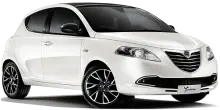
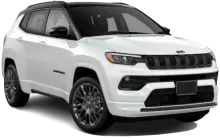
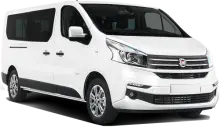
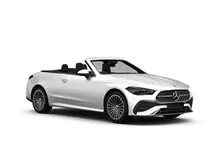
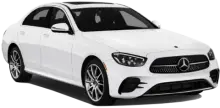
Choose the right car for your trip in Butte, United States and book in minutes. Compare trusted rental options, find great daily rates, and secure convenient airport pick-up for your travel dates.
Arriving at Butte Airport and needing a car? Renting a vehicle gives you the freedom to explore Montana at your own pace. This guide covers everything from finding your rental to understanding the costs and getting comfortable behind the wheel in the United States.
Rental car desks are generally located within the main terminal building, often near the baggage claim area. Some companies operate a shuttle service to off-airport facilities, which is usually clearly signposted. Expect a short wait for the shuttle if applicable. Several companies commonly serve Butte Airport, including well-known names. It’s always a good idea to compare options and book in advance, especially during peak travel seasons.
Butte’s location and surrounding landscapes lend themselves to a variety of vehicle types. Here’s a look at some popular choices:
| Economy | $30 - $50 / day |
| Compact | $35 - $60 / day |
| Intermediate | $40 - $70 / day |
| Standard | $45 - $80 / day |
| SUV (Small/Mid-Size) | $60 - $120 / day |
| Luxury | $80 - $150+ / day |
Prices change by season and availability.
For exploring the mountains and potentially unpaved roads, an SUV is a practical choice. If you’re primarily sticking to city driving, an economy or compact car will be more fuel-efficient and easier to park.
Generally, you’ll need a valid driver’s license, a major credit card in your name, and a passport if you’re an international traveler. The minimum age to rent a car is typically 21, but drivers under 25 may face additional daily fees. Rental companies will require a security deposit, which is usually held on your credit card and released upon the vehicle’s safe return. Debit cards are sometimes accepted, but often with stricter requirements and a credit check. Be prepared for this possibility.
Rental companies will offer various insurance products. Collision Damage Waiver (CDW) covers damage to the rental car itself. Theft Protection covers loss or damage due to theft. Excess insurance reduces the amount you’d pay out-of-pocket in the event of damage or theft. Check if your existing auto insurance or credit card provides coverage before purchasing additional insurance. Don’t hesitate to ask the rental agent to clearly explain the terms of each option.
Montana has a vast network of highways and roads. Speed limits vary, but are generally 75 mph on interstate highways and lower on other roads. Be aware of wildlife, especially when driving at dawn or dusk. Toll roads are uncommon in Montana. Parking is generally available in towns and cities, but can be limited in popular tourist areas. Always check parking signs for restrictions and fees.
Some companies accept debit cards, but they often have stricter requirements, like a credit check or proof of return travel.
If you have CDW (Collision Damage Waiver), it will cover the cost of repairs, minus any excess amount.
If your driver’s license isn’t in English, an international driving permit is usually required.
The excess is the amount you’re responsible for paying out-of-pocket before your insurance coverage kicks in.
Toll roads are rare in Montana. You likely won’t encounter any during your travels.
In the United States, we drive on the right side of the road.
While not essential, a GPS or smartphone with maps can be very helpful, especially in rural areas.
Rental cars come with a spare tire and tools. If you’re uncomfortable changing it yourself, call the rental company’s roadside assistance.
Yes, but you’ll need to add them to the rental agreement and they’ll likely need to meet the same requirements as the primary driver.
Most companies offer a grace period, but after that, you’ll be charged an additional day’s rental fee.
Yes, it’s a good idea to document any existing damage with photos or video before leaving the rental lot.
The speed limit on most Montana interstate highways is 75 mph.