Small cars

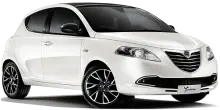
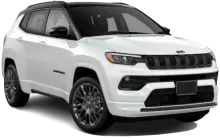
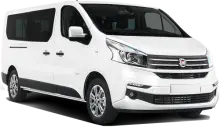


Choose the right car for your trip in Reykjavik, Iceland and book in minutes. Compare trusted rental options, find great daily rates, and secure convenient airport pick-up for your travel dates.
Picking up a rental car at Keflavik International Airport is a popular way to start your Icelandic adventure. The process is generally straightforward, but understanding the costs, paperwork, and local driving conditions beforehand will make your trip smoother. This guide covers everything you need to know about renting a car at KEF, from choosing the right vehicle to navigating Iceland’s unique roads.
Rental car desks are typically located within the arrivals hall of the airport. You’ll find representatives from several companies offering a range of vehicles. Most operate desks inside the terminal, while some may offer shuttle services to off-airport pickup locations. Common rental companies at Keflavik include well-known international providers. Allow ample time for paperwork and vehicle inspection, especially during peak season.
Iceland’s terrain is diverse, so your vehicle choice matters. Here are ten popular options:
Here’s a general idea of daily price ranges (prices change by season and availability):
| Car Class | Typical Daily Price (USD) |
|---|---|
| Economy | $50 - $80 |
| Compact | $70 - $100 |
| SUV (Small) | $100 - $150 |
| SUV (Large) | $180 - $300+ |
| 4x4 | $200 - $400+ |
To rent a car in Iceland, you’ll generally need a valid driver’s license, a credit card in the renter’s name, and a passport. The minimum age is typically 20, but some companies may require renters to be 23 or older. A security deposit is standard, and the amount will be held on your credit card. Payment methods are usually major credit cards; debit cards are often not accepted.
Insurance is a crucial consideration. Collision Damage Waiver (CDW) is often included, but it usually has a high excess (the amount you pay if damage occurs). You can reduce this excess by purchasing additional insurance. Theft Protection is also available. Carefully review the terms and conditions of each insurance option and ask the rental agent to explain any unclear points.
Icelandic roads can be challenging. While the Ring Road (Route 1) is generally well-maintained, many roads, especially in the Highlands, are gravel or unpaved. Speed limits are typically 90 km/h (56 mph) on paved roads and 80 km/h (50 mph) on gravel roads. Be aware of sheep and other animals crossing the road, especially in rural areas. Tolls apply to certain tunnels; these are usually automatically charged to your rental car. Parking in Reykjavik can be limited and expensive; look for designated parking areas and pay attention to parking regulations.
Generally, no. A valid driver’s license from your home country is usually sufficient, but check with your rental company.
CDW is often included, but consider reducing the excess with additional insurance. Theft protection is also a good idea.
Yes, but be cautious. Reduce your speed and be aware of loose gravel.
Not always, but they’re essential if you plan to explore the Highlands or drive on challenging roads.
Major credit cards are typically required. Debit cards are often not accepted for the deposit.
Yes, tolls apply to certain tunnels and are usually automatically charged to your rental car.
They drive on the right side of the road in Iceland.
Rental cars come with a spare tire and tools. Familiarize yourself with how to change a tire before your trip.
Winter driving can be challenging due to snow and ice. Check road conditions before you travel and consider a 4x4 vehicle.
The typical speed limit on paved roads is 90 km/h (56 mph).
Carefully inspect the car for any existing damage and document it with photos or video.
Yes, but you’ll need to add them to the rental agreement and there may be an additional fee.