Small cars


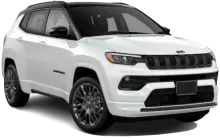



Choose the right car for your trip in Redding, United States and book in minutes. Compare trusted rental options, find great daily rates, and secure convenient airport pick-up for your travel dates.
Arriving at Redding Municipal Airport and needing a car? Renting a vehicle offers freedom to explore the beautiful Shasta Cascade region. This guide covers everything from finding your rental to understanding the costs and getting comfortable behind the wheel in the United States.
Rental car desks are generally located within the main terminal building, often near the baggage claim area. At Redding, you’ll typically find representatives from several companies ready to assist you. Expect the usual paperwork – reviewing the rental agreement, confirming your details, and understanding the included features. Take your time with this; it’s a good moment to ask questions.
Most major rental companies operate at Redding Municipal Airport, including options like Alamo, Avis, Budget, Enterprise, Hertz, and National. Availability can vary, so it’s always wise to book in advance, especially during peak travel seasons.
Redding’s surrounding area offers diverse landscapes, from city streets to winding mountain roads. Here are some popular vehicle types you might consider:
| Economy | $30 - $50 / day |
| Compact | $35 - $60 / day |
| Intermediate | $40 - $70 / day |
| Standard | $45 - $80 / day |
| SUV (Small/Mid-Size) | $60 - $120 / day |
| Luxury | $80 - $150+ / day |
Prices change by season and availability.
For exploring the national forests and parks, an SUV provides extra ground clearance and space. If you’re primarily sticking to city driving, an economy or compact car will be more fuel-efficient and easier to maneuver.
Generally, you’ll need a valid driver’s license, a major credit card in your name, and be at least 21 years old to rent a car in the United States. Some companies may have higher age requirements or additional fees for drivers under 25. A security deposit is typically held on your credit card to cover potential damages or extra mileage; the amount varies by company and vehicle type. Debit cards are sometimes accepted, but often with stricter requirements.
Insurance is an important consideration. Collision Damage Waiver (CDW) covers damage to the rental car itself. Theft Protection covers loss due to theft. Excess insurance reduces the amount you’d pay out-of-pocket in case of an accident. Check if your existing auto insurance or credit card provides coverage before purchasing additional insurance at the rental counter. Don’t hesitate to ask the rental agent to explain the different options clearly.
Driving in the United States is generally straightforward. Speed limits are posted in miles per hour. Be aware of potential toll roads, particularly if traveling outside of California. Parking regulations vary by city and town; pay attention to signs to avoid tickets. Always wear your seatbelt, and remember that driving under the influence is strictly prohibited.
A valid driver’s license, a major credit card, and your rental confirmation are essential.
Some companies accept debit cards, but they often have stricter requirements, like a credit check.
Collision Damage Waiver covers damage to the rental vehicle itself, reducing your financial responsibility.
Yes, a security deposit is usually held on your credit card to cover potential costs.
Report any damage immediately to the rental company. Your insurance coverage will apply based on your policy.
Tolls are less common in California than in some other states, but they do exist on certain bridges and expressways.
In the United States, we drive on the right side of the road.
Speed limits vary, but are typically between 65 and 75 miles per hour on highways.
Parking availability and cost vary depending on the location. Some areas offer free parking, while others have metered or lot parking.
Yes, but you’ll need to add them to the rental agreement, and there may be an additional fee.
Late returns usually incur extra charges, often billed at your daily rental rate.
Most rentals require you to return the car with a full tank of gas, or you’ll be charged a refueling fee.