Small cars



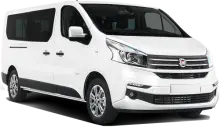


Choose the right car for your trip in Yarmouth, Canada and book in minutes. Compare trusted rental options, find great daily rates, and secure convenient airport pick-up for your travel dates.
Arriving at Yarmouth Airport (YQI) and planning to explore Nova Scotia? Renting a car offers the freedom to discover the region at your own pace. This guide covers everything from collecting your vehicle and understanding the costs, to a few things to keep in mind while driving in Canada.
Rental car desks are generally located within the main airport terminal building, often near the baggage claim area. Several companies typically operate at Yarmouth Airport, including options for a range of budgets and vehicle types. You’ll usually find representatives from major rental agencies available to assist with your booking and paperwork.
The best car for you depends on your travel plans. Here are some popular choices for visitors to Yarmouth:
| Economy | $35 - $55/day |
| Compact | $40 - $60/day |
| Intermediate | $50 - $70/day |
| Standard | $60 - $85/day |
| SUV (Small/Mid-Size) | $75 - $120/day |
| Luxury | $100+/day |
Prices change by season and availability.
To rent a car in Canada, you’ll generally need a valid driver’s license from your home country. For visitors from the United States, a standard US license is usually sufficient. If your license isn’t in English or French, an International Driving Permit (IDP) is often recommended. Most rental companies require renters to be at least 21 years old, though fees may apply for drivers under 25. Expect to present a major credit card in the renter’s name for the deposit and rental charges. Debit cards are sometimes accepted, but often with restrictions.
Rental companies will offer various insurance options. Collision Damage Waiver (CDW) covers damage to the rental vehicle itself. Theft insurance protects you if the car is stolen. “Excess” refers to the amount you’re responsible for paying out-of-pocket in the event of damage or theft, even with CDW or theft insurance. Carefully consider if you need these options, as your existing auto insurance or credit card benefits might already provide coverage. Don’t hesitate to ask the rental agent to clearly explain the terms and conditions of each insurance product.
Canada generally follows a metric system for speed limits, posted in kilometers per hour. Nova Scotia has a network of highways, but many roads are two-lane routes. Toll roads are uncommon in Nova Scotia. Parking regulations vary by city and town; pay attention to posted signs. Be prepared for changing weather conditions, especially during the winter months. Always buckle your seatbelts, and never drive under the influence of alcohol or drugs.
Rental desks are usually conveniently located inside the main terminal building, often near baggage claim. Follow the signs for 'Car Rental' or 'Ground Transportation'.
Some companies accept debit cards, but often with stricter requirements than credit cards. Expect a larger deposit or potential restrictions.
If your driver’s license isn’t in English or French, an IDP is often recommended. US licenses are generally accepted without an IDP.
Collision Damage Waiver covers damage to the rental vehicle itself. It doesn’t cover things like tire damage or windshield cracks.
Excess insurance reduces the amount you pay out-of-pocket if the car is damaged or stolen, even with CDW.
Speed limits in Canada are posted in kilometers per hour (km/h).
Winter conditions can be challenging. Be prepared for snow and ice, and consider a vehicle with all-wheel drive.
Rental cars come with a spare tire and tools. If you’re uncomfortable changing it yourself, contact the rental company for assistance.
Toll roads are uncommon in Nova Scotia. You’ll primarily encounter free highways and local roads.
Late returns usually incur extra charges, often billed at your daily rental rate. Contact the rental company if you anticipate a delay.
Yes, it’s a good idea to document any existing damage with photos or video before leaving the rental lot. This can prevent disputes upon return.