Small cars


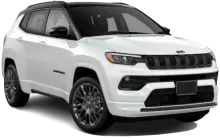



Choose the right car for your trip in Los Angeles, United States and book in minutes. Compare trusted rental options, find great daily rates, and secure convenient airport pick-up for your travel dates.
Arriving at John Wayne Airport and ready to explore the Los Angeles area? Renting a car offers fantastic freedom, but the pickup process, understanding costs, and navigating local roads can feel a little daunting. This guide will walk you through everything you need to know about renting a car at SNA, from finding the rental counters to hitting the open road.
Rental car desks at John Wayne Airport are generally located within the parking structures, easily accessible from the terminals. Most companies offer shuttle services to transport you between the terminal and the car pickup areas. You’ll typically find a wide range of companies operating at SNA, including well-known names. Expect to see options from major providers, offering a variety of vehicle types to suit your needs.
The best car for you depends on your travel style and how many people you’re with. Here are some popular choices at John Wayne Airport:
| Economy | $30 - $50 / day |
| Compact | $35 - $60 / day |
| Intermediate | $40 - $70 / day |
| Standard | $45 - $80 / day |
| SUV (Small/Mid-Size) | $60 - $120 / day |
| Luxury | $80 - $200+ / day |
Prices change by season and availability.
To rent a car in the United States, you’ll generally need a valid driver’s license from your home country. If your license isn’t in English, an International Driving Permit is often recommended. Most rental companies require renters to be at least 21 years old, though fees may apply for drivers under 25. Be prepared to present a major credit card in the renter’s name for the deposit and rental payment. Debit cards are sometimes accepted, but often with stricter requirements. The deposit amount will vary depending on the car class and insurance options you choose.
Rental companies will offer several insurance options. Collision Damage Waiver (CDW) covers damage to the rental car itself. Theft insurance protects you if the car is stolen. Excess insurance reduces the amount you’d pay out-of-pocket in case of damage or theft. Your existing auto insurance policy or credit card benefits might already provide some coverage, so it’s worth checking before you arrive at the rental desk. Don’t hesitate to ask the agent to clearly explain each option and what it covers.
Driving in and around Los Angeles can be busy. Speed limits are generally posted in miles per hour. Be aware of potential toll roads, especially if you’re traveling longer distances. Parking can be challenging and expensive in some areas, particularly downtown and near popular attractions. Many cities have parking meters and time limits, so pay attention to signage. Allow extra time for traffic, especially during peak hours.
Rental car desks are usually in the parking structures, with free shuttle service to the terminals.
If your driver’s license isn’t in English, an IDP is often recommended.
A major credit card in the renter’s name is typically required. Debit cards may be accepted with restrictions.
CDW covers damage to the rental car itself, but doesn’t cover everything. Read the terms carefully.
Usually not. Insurance is an additional cost, and you can choose the coverage you need.
Some roads have tolls, especially on longer journeys. Check your route beforehand.
Report any damage immediately to the rental company and follow their instructions.
Yes, but they must be listed as an additional driver and meet the rental company’s requirements.
Late returns usually incur extra charges, often a full day’s rental rate.
The deposit varies depending on the car class and insurance options, but expect several hundred dollars.
Most companies require renters to be at least 21, with potential fees for those under 25.
Yes, most rentals require you to return the car with a full tank of gas to avoid refueling charges.