Small cars



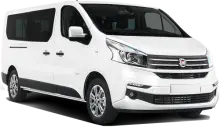


Choose the right car for your trip in Patna, India and book in minutes. Compare trusted rental options, find great daily rates, and secure convenient airport pick-up for your travel dates.
Arriving at Jay Prakash Narayan International Airport in Patna and planning to explore the region by car? Renting a vehicle offers flexibility, but it’s good to know what to expect with the pickup process, potential costs, and the specifics of driving in India. This guide covers everything from finding your rental to navigating local roads.
Rental car desks are generally located within the main terminal building at Jay Prakash Narayan International Airport. You’ll likely find representatives from several companies offering services. Pickup points can vary, sometimes involving a short shuttle ride to an off-airport facility where the cars are parked. Be sure to confirm the exact location when you book and again upon arrival.
Several well-known rental companies typically operate at Jay Prakash Narayan International Airport. You can usually find options from providers offering a wide range of vehicles. Popular choices include economy cars for solo travelers or budget-conscious groups, compact cars for easy city maneuvering, and larger sedans for more comfort. SUVs are a good option if you plan to venture outside of Patna, and luxury vehicles are available for those seeking a premium experience.
Here’s a general idea of the car classes you might find and their approximate daily rates:
| Car Class | Approximate Daily Price (USD) |
|---|---|
| Economy | $20 - $30 |
| Compact | $25 - $35 |
| Intermediate | $35 - $45 |
| SUV | $50 - $80 |
| Luxury | $100+ |
Please note: prices change by season and availability.
To rent a car in India, you’ll generally need a valid driver’s license, and for international visitors, an International Driving Permit (IDP) is often required alongside your home country license. The minimum age is usually 21, though some companies may have higher age restrictions, especially for certain vehicle classes. A valid passport is also essential. Expect to provide a credit card in the renter’s name for the security deposit, which will be authorized but not charged unless there’s damage. Debit cards are sometimes accepted, but often with stricter conditions.
Rental companies will offer various insurance options. Collision Damage Waiver (CDW) covers damage to the rental car itself. Theft Protection covers loss or damage due to theft. Often, these come with an ‘excess’ – the amount you’re still responsible for paying in case of an incident. You can reduce this excess by purchasing additional insurance, but it adds to the cost. Carefully review what your existing travel insurance or credit card benefits already cover before making a decision. Don’t hesitate to ask the rental agent to clearly explain the terms of each insurance option.
Driving in India can be quite different from what you’re used to. Roads can be busy, and traffic rules aren’t always strictly followed. Be prepared for a lot of honking – it’s often used as a friendly warning rather than an expression of anger. Toll roads are common, so keep some small change handy. Parking can be challenging in city centers. Speed limits are generally lower than in many Western countries, but they may not always be clearly marked or enforced. Defensive driving is key, and it’s best to avoid driving at night if possible.
Generally, yes. An International Driving Permit (IDP) is often required alongside your home country driver’s license for international visitors.
A major credit card in the renter’s name is usually required for the security deposit. Debit cards may be accepted with restrictions.
Collision Damage Waiver (CDW) covers damage to the rental car itself, but usually has an 'excess' you're responsible for.
It’s wise to have some level of insurance. Check what your existing travel insurance or credit card covers first.
Report any damage immediately to the rental company and follow their instructions. Your insurance (if purchased) will cover costs up to the policy limits.
Yes, toll roads are common. Keep some small change handy for toll payments.
Parking can be challenging, especially in the city center. Be prepared to search for available spaces.
In India, they drive on the left side of the road.
The minimum age is usually 21, but some companies may have higher age restrictions.
Yes, but you’ll need to declare the additional driver at pickup and they’ll likely need to meet the same requirements as the primary renter.
Bring your driver’s license, International Driving Permit (if applicable), passport, and a credit card.
Most rental cars come with a spare tire and tools. If you’re not comfortable changing it yourself, contact the rental company for assistance.