Small cars

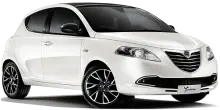
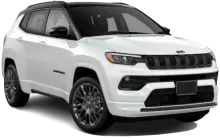
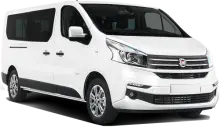


Choose the right car for your trip in Merida, Mexico and book in minutes. Compare trusted rental options, find great daily rates, and secure convenient airport pick-up for your travel dates.
Arriving at Manuel Crescencio Rejon International Airport (MID) in Merida, Mexico, and planning to explore the Yucatan Peninsula by car? Renting a vehicle offers fantastic freedom, but the process can feel a little different than what you’re used to. This guide covers everything from finding your rental to understanding the roads, helping you start your trip smoothly.
Rental car desks are generally located within the arrivals area of the airport. You’ll typically find a consolidated rental car facility, meaning several companies operate from a central location, often accessible by a short shuttle bus from the terminal. Common companies serving MID include well-known names. Expect a bit of paperwork upon arrival, and be prepared to review the rental agreement carefully.
Merida and the surrounding region offer diverse driving experiences, from city streets to rural highways. Here are some popular vehicle types:
| Economy | $20 - $35 / day |
| Compact | $25 - $40 / day |
| Standard | $35 - $50 / day |
| Mid-Size SUV | $50 - $75 / day |
| Full-Size SUV | $70 - $100 / day |
| Luxury | $80+ / day |
Prices change by season and availability.
For exploring Mayan ruins and venturing off the main roads, an SUV is a good choice. If you’re primarily staying in Merida, a compact or economy car will be perfectly adequate.
Generally, you’ll need a valid driver’s license from your home country, and a passport. Most rental companies require renters to be at least 21 years old, though some may have a higher age requirement for certain vehicle classes. A credit card in the renter’s name is essential for the security deposit. Debit cards are sometimes accepted, but often with restrictions. The deposit amount can vary significantly depending on the car type and insurance options chosen. Be sure to understand the deposit policy before signing anything.
Rental companies will offer various insurance products. Collision Damage Waiver (CDW) covers damage to the rental car itself. Theft Protection covers loss or damage due to theft. Often, there’s an ‘excess’ – the amount you’re still responsible for in the event of a claim. You can often reduce this excess by purchasing additional coverage. Check if your credit card or existing auto insurance provides any coverage in Mexico, but always confirm the details with your provider. Don’t hesitate to ask the rental agent to explain the insurance options clearly.
Driving in Mexico is generally straightforward, but there are a few things to keep in mind. Toll roads (cuotas) are common and usually well-maintained. Have some cash (Mexican pesos) handy for tolls. Parking is available in Merida, but can be limited in the historic center. Speed limits are typically posted in kilometers per hour. Be aware of topes – speed bumps – which are frequently found in towns and cities. They are often unmarked, so drive cautiously.
Generally, no. A valid driver’s license from your home country is usually sufficient, but it’s always best to check the specific requirements of the rental company.
A major credit card in the renter’s name is almost always required for the deposit. Debit cards may be accepted with restrictions.
Basic insurance is often included, but it usually has a high excess. Additional insurance options are available to reduce your financial responsibility.
If you have CDW, the rental company will cover the cost of repairs, minus any excess amount. Report any damage immediately.
Yes, toll roads are common, especially on highways. Keep some cash (pesos) handy for toll payments.
Yes, driving in Mexico is generally safe, but be aware of your surroundings and follow local traffic laws. Avoid driving at night in unfamiliar areas.
They drive on the right side of the road in Mexico, just like in the United States.
Most companies require renters to be at least 21 years old, and there may be additional fees for younger drivers.
Yes, but you’ll need to add them to the rental agreement and there may be an additional daily fee.
Rental cars should be equipped with a spare tire, jack, and lug wrench. If you’re uncomfortable changing it yourself, contact the rental company for assistance.
Excess insurance reduces the amount you pay out-of-pocket if the car is damaged or stolen.
Most rental agreements require you to return the car with the same amount of fuel as when you picked it up, or you’ll be charged a refueling fee.