Small cars

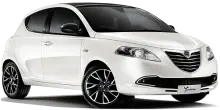
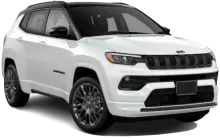
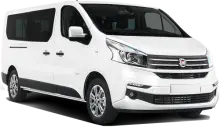

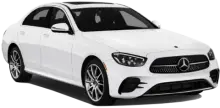
Choose the right car for your trip in Lyon, France and book in minutes. Compare trusted rental options, find great daily rates, and secure convenient airport pick-up for your travel dates.
Arriving at Lyon Saint-Exupery International Airport and planning to explore the region by car? Renting a vehicle offers fantastic freedom, but the process can feel a little daunting. This guide covers everything from finding your rental desk to understanding the roads, helping you start your journey smoothly.
Rental car desks are generally located within the main airport terminal building, often accessible from the arrivals hall. Follow the signs for ‘Car Rental’ or ‘Rental Cars’ – they are usually quite clear. Many companies operate shuttle buses to off-airport facilities, which is common during peak times. Expect a short ride if your chosen company uses an off-site location. Common rental companies at Lyon Saint-Exupery include well-known names like Avis, Hertz, Europcar, Sixt, and Enterprise.
The best car for you depends on your travel plans. Here are some popular options, keeping in mind that availability can vary:
| Economy | $30 - $50 / day |
| Compact | $40 - $60 / day |
| Intermediate | $50 - $70 / day |
| Standard | $60 - $80 / day |
| SUV | $80 - $150 / day |
| Luxury | $150+ / day |
Prices change by season and availability.
Generally, you’ll need a valid driver’s license held for at least one year. If your license isn’t in French, an International Driving Permit (IDP) is often recommended, though not always required. The minimum age to rent a car is typically 21, but drivers under 25 may face additional fees. Be prepared to present a valid passport and a major credit card in the driver’s name. Debit cards are sometimes accepted, but often with restrictions. Rental companies will usually require a security deposit, which is held on your credit card and released upon the vehicle’s safe return. The deposit amount varies depending on the car type and insurance chosen.
Rental agreements come with a lot of insurance jargon. Collision Damage Waiver (CDW) covers damage to the rental car itself. Theft Protection covers the vehicle if it’s stolen. Often, these come with an ‘excess’ – the amount you’re still responsible for in case of damage or theft. You can reduce this excess by purchasing additional insurance at the rental desk, but it’s often cheaper to arrange this through a third-party provider before your trip. Carefully review what your credit card already covers, as some offer rental car insurance as a benefit.
France has a well-maintained road network, but driving can be different from what you’re used to. Motorways (autoroutes) have tolls, payable by card or cash. Parking in cities can be challenging and expensive; look for designated parking areas and pay attention to signage. Speed limits are generally 130 km/h on motorways, 80 km/h on dual carriageways, and 50 km/h in built-up areas. Be aware that speed cameras are common. It’s also worth noting that priority to the right generally applies at unmarked intersections.
Some companies accept debit cards, but often with restrictions like a credit check or requiring additional insurance.
It’s recommended if your driver’s license isn’t in French, though not always mandatory. Check with your rental company.
CDW (Collision Damage Waiver) covers damage to the rental car, but usually has an excess amount you’re still responsible for.
Yes, motorways (autoroutes) have tolls. You can pay with a card or cash.
They drive on the right side of the road in France.
Parking in Lyon can be challenging and expensive. Look for designated parking areas.
Report the damage immediately to the rental company and follow their instructions. Your insurance will cover costs up to the policy limits.
Yes, but you’ll usually need to pay an additional fee and the extra driver must meet the rental requirements.
Rental cars come with a spare tire and tools. The rental company should provide instructions, or you can call their roadside assistance.
You typically return the car with the same fuel level as when you picked it up. You can refuel at gas stations before returning the vehicle.
The 'excess' is the amount you're responsible for paying towards any damage or theft, even with insurance.
Generally, yes. Pre-booking often secures a better rate, especially during peak season.