Small cars




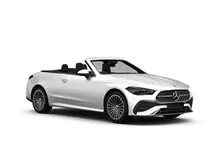

Choose the right car for your trip in London, United Kingdom and book in minutes. Compare trusted rental options, find great daily rates, and secure convenient airport pick-up for your travel dates.
Arriving at London Luton Airport and planning to explore beyond the city? Renting a car offers freedom and flexibility. This guide covers everything from collecting your vehicle and understanding the costs, to navigating the roads of the United Kingdom.
Rental desks are generally located within the main terminal building, often easily accessible after baggage claim. You’ll usually find a range of companies operating at London Luton Airport, including well-known names. Follow the signs for ‘Car Rental’ or ‘Ground Transportation’ to find the desks. Some companies also operate shuttle services to off-airport locations, so be sure to check the details of your booking.
The best car for you depends on your travel plans. Here are some popular options:
| Economy | $30 - $50/day |
| Compact | $40 - $60/day |
| Intermediate | $50 - $70/day |
| Standard | $60 - $80/day |
| SUV | $70 - $120/day |
| Luxury | $100+/day |
Prices change by season and availability.
To rent a car in the United Kingdom, you’ll typically need a valid driver’s license (held for at least a year, sometimes two), a credit card in the driver’s name, and a passport. The minimum age is usually 21, but drivers under 25 may face additional fees. Rental companies will require a security deposit, which is usually held on your credit card and released upon the vehicle’s safe return. Debit cards are sometimes accepted, but often with restrictions and additional checks.
Rental agreements often include Collision Damage Waiver (CDW), which covers damage to the rental car itself. However, CDW usually has an ‘excess’ – the amount you’re still responsible for paying. You can reduce this excess by purchasing additional insurance, either through the rental company or a third-party provider. Theft Protection is also common, and it’s worth checking what’s covered. Don’t hesitate to ask the rental agent to clearly explain all insurance options and what they cover before you sign anything.
Driving in the United Kingdom has a few key differences. They drive on the left side of the road! Be prepared for roundabouts, which are very common. Speed limits are posted in miles per hour. Some roads have tolls, particularly in and around larger cities. Parking can be expensive and limited, especially in London, so plan ahead and look for designated parking areas. Familiarize yourself with local traffic laws before you set off.
Generally, yes, if it’s valid and in good standing. An International Driving Permit is sometimes recommended, but not always required.
Check your insurance coverage. CDW covers damage, but usually has an excess. You’ll be responsible for the excess amount unless you’ve purchased additional insurance.
Most companies require a major credit card in the driver’s name. Debit cards may be accepted with restrictions.
Basic insurance (CDW and Theft Protection) is often included, but it’s important to understand the coverage and excess amounts.
In the United Kingdom, you drive on the left side of the road.
Some roads, especially around major cities, have tolls. Be prepared to pay these, often electronically.
You are responsible for paying any parking tickets you receive.
Yes, but you’ll usually need to pay an additional fee and the additional driver must meet the rental requirements.
Late returns usually incur extra charges, often a full day’s rental rate.
Most rentals require you to return the car with a full tank of gas, or you’ll be charged a refueling fee.
The excess is the amount you're responsible for paying towards any damage, even with CDW. You can reduce it with extra insurance.