Small cars
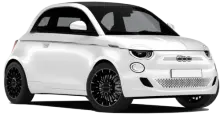
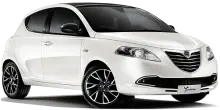
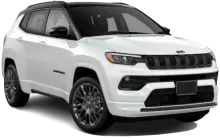
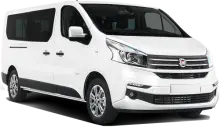
Choose the right car for your trip in Klagenfurt, Austria and book in minutes. Compare trusted rental options, find great daily rates, and secure convenient airport pick-up for your travel dates.
Arriving at Klagenfurt Airport and planning to explore Austria by car? Renting a vehicle offers fantastic freedom, but the process can feel a little daunting. This guide covers everything from finding your rental desk to understanding the roads, helping you start your journey smoothly.
Rental car desks at Klagenfurt Airport are generally located within the main terminal building, easily accessible after baggage claim. You’ll likely find representatives from several companies offering services. Pickup points for the actual vehicles are usually a short shuttle ride away, though some companies have vehicles parked directly near the terminal. Expect a quick transfer, and staff will direct you to the appropriate shuttle location.
Several well-known rental companies typically operate at Klagenfurt Airport, including those offering a wide range of vehicles. You’ll generally find options from economy to luxury classes. Here’s a look at some popular choices and approximate daily price ranges (prices change by season and availability):
| Car Class | Typical Daily Price (USD) |
|---|---|
| Economy | $30 - $50 |
| Compact | $40 - $60 |
| Intermediate | $50 - $75 |
| Standard | $60 - $90 |
| SUV | $80 - $150 |
| Luxury | $120+ |
The best car for you depends on your travel plans. For solo travelers or couples exploring cities, an economy or compact car is often ideal. Families or those planning trips into the mountains might prefer the space and capability of an SUV.
To rent a car in Austria, you’ll generally need a valid driver’s license, a credit card in the renter’s name, and a passport or national ID card. The minimum age is usually 18, but many companies have higher age requirements (21 or 25) and may charge a young driver fee. Deposits are standard, and the amount will be held on your credit card for the duration of the rental. Be aware of the payment method restrictions; debit cards are often not accepted for the deposit.
Rental companies will offer various insurance options. Collision Damage Waiver (CDW) covers damage to the rental car itself, while Theft Protection covers theft or attempted theft. Often, these come with an ‘excess’ – the amount you’re still responsible for in case of damage or theft. You can reduce this excess by purchasing additional insurance, but carefully consider if it’s necessary, as your existing travel insurance or credit card benefits might already provide coverage. Don’t hesitate to ask the rental agent to clearly explain the terms of each insurance option.
Austria has a well-maintained road network. Motorways require a vignette (toll sticker) which you must purchase and display on your windshield. These are available at gas stations and border crossings. Parking in cities can be limited and often requires payment. Speed limits are generally 130 km/h on motorways, 100 km/h on rural roads, and 50 km/h in urban areas. Be mindful of these limits, as enforcement is common.
Generally, no, if you have a driver’s license from the EU or the US. However, it’s always best to check the specific requirements based on your license’s country of origin.
Report the damage to the rental company immediately. Take photos and get a written report. Your insurance (CDW) will cover the damage up to the excess amount.
Yes, but you’ll need to declare the additional driver at pickup and they’ll need to meet the same requirements as the primary driver.
Major credit cards are almost always accepted. Debit cards are often not accepted for the deposit.
Yes, you can usually rent a GPS navigation system or use your smartphone with a navigation app.
In Austria, they drive on the right side of the road.
Most rentals require you to return the car with the same fuel level as when you picked it up. Check your rental agreement for specifics.
During winter months (typically November to April), winter tires are legally required in many areas of Austria. Rental companies will usually provide them if needed.
The excess is the amount you’re responsible for paying if the car is damaged or stolen, even with CDW or theft protection.
Usually, you can, but you must inform the rental company in advance and there may be restrictions or additional fees.
You are responsible for paying any traffic tickets you receive. The rental company may charge an administrative fee for processing the ticket.
You can check for road closures and traffic updates on the ASFINAG website (Austria’s highway operator).