Small cars

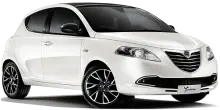
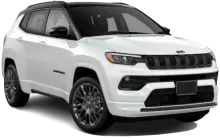
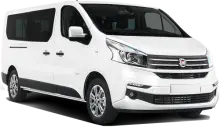


Choose the right car for your trip in Goose Bay, Canada and book in minutes. Compare trusted rental options, find great daily rates, and secure convenient airport pick-up for your travel dates.
Arriving at Goose Bay Airport and planning to explore Labrador? Renting a car offers the most flexibility. This guide covers everything from finding your rental to understanding the roads, helping you start your journey smoothly. Expect the usual rental process: paperwork, a vehicle inspection, and understanding the costs involved.
Rental car desks are generally located within the main terminal building at Goose Bay Airport. You’ll typically find representatives from several companies offering services here. Common rental companies operating at YYR include major providers, but availability can vary. It’s always best to compare options and book in advance, especially during peak travel seasons.
The best vehicle for you depends on your travel plans. For solo explorers or couples sticking to main roads, an economy or compact car is often a good choice. Families or those planning to venture off the beaten path will likely prefer an SUV. Here’s a general idea of what’s typically available:
| Economy | $50 - $80 / day |
| Compact | $60 - $90 / day |
| Intermediate | $70 - $100 / day |
| Standard | $80 - $120 / day |
| SUV | $100 - $200+ / day |
| Luxury | $150 - $300+ / day |
Prices change by season and availability.
To rent a car in Canada, you’ll generally need a valid driver’s license, and most companies require renters to be at least 21 years old (though fees may apply for those under 25). A major credit card in the renter’s name is usually required for the deposit. Debit cards are sometimes accepted, but often with restrictions. Be prepared to show your license, and potentially a passport, at the rental counter. Deposits can vary, but typically range from a few hundred dollars to cover potential damage or extra mileage.
Rental companies will offer various insurance options. Collision Damage Waiver (CDW) covers damage to the rental car itself. Theft Protection covers loss or damage due to theft. Excess insurance reduces the amount you’d pay out-of-pocket in case of an accident. Check if your existing auto insurance or credit card provides coverage before purchasing additional insurance. Don’t hesitate to ask the rental agent to clearly explain the terms of each option.
Canada generally follows metric speed limits, posted in kilometers per hour. Speed limits vary by province and road type. While Newfoundland and Labrador doesn’t have extensive toll highways, be aware of potential parking fees in larger towns and cities. Parking regulations are generally well-marked. Always buckle up, and be mindful of wildlife, especially in more rural areas. Winter driving conditions can be challenging, so if traveling during colder months, consider a vehicle with four-wheel drive and be prepared for snow and ice.
Typically, a valid driver’s license, a credit card, and a passport are required. Age restrictions may apply.
It depends. Check if your existing insurance or credit card offers coverage. Rental companies offer options like CDW and theft protection.
Renters under 25 may face additional daily fees.
Major credit cards are almost always accepted. Debit card acceptance varies.
Rental desks are usually located inside the main terminal building.
Your insurance (or the rental company’s insurance) will cover the damage, subject to any deductible.
No, toll highways are not common in Newfoundland and Labrador.
Canadians drive on the right side of the road.
Yes, but you’ll likely need to pay an additional daily fee.
Rental cars come with a spare tire and tools. If you’re uncomfortable changing it yourself, contact the rental company for assistance.
During winter months, or if you plan to explore unpaved roads, four-wheel drive is highly recommended.