Small cars

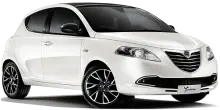
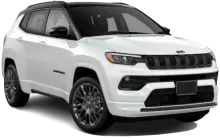
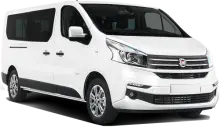

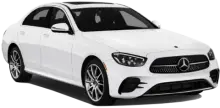
Choose the right car for your trip in Kaohsiung, Taiwan and book in minutes. Compare trusted rental options, find great daily rates, and secure convenient airport pick-up for your travel dates.
Arriving at Kaohsiung International Airport and planning to explore Taiwan by car? Renting a vehicle offers fantastic freedom, but the process can feel a little different than what you’re used to. This guide covers everything from finding your rental desk to understanding local driving conditions, helping you start your journey smoothly.
Rental car desks are generally located within the arrivals area of the airport. Follow the signs for ‘Car Rental’ or ‘Ground Transportation’ after you collect your luggage. Most companies offer a shuttle service to the actual car pickup location, which is often a short drive from the terminal. Expect a bit of paperwork, and be prepared to review the rental agreement carefully before signing.
Several companies typically operate at Kaohsiung International Airport, including options for a wide range of budgets and preferences. You’ll often find representatives from well-known international providers, as well as local Taiwanese rental agencies.
Kaohsiung and the surrounding areas are best explored with a vehicle suited to your needs. Here are some popular choices:
| Economy | $20 - $35 / day |
| Compact | $25 - $40 / day |
| Intermediate | $30 - $45 / day |
| Standard | $35 - $50 / day |
| SUV (Small) | $45 - $65 / day |
| Luxury | $70+ / day |
Prices change by season and availability.
To rent a car in Taiwan, you’ll generally need a valid driver’s license from your home country. An International Driving Permit (IDP) is often required, especially if your license isn’t in English. The minimum age is usually 21, though some companies may have higher age restrictions for certain vehicle classes. A credit card in the renter’s name is essential for the security deposit. Debit cards are rarely accepted for the deposit. Be aware that deposits can be substantial, sometimes several hundred US dollars, depending on the vehicle and insurance options.
Rental companies will offer various insurance products. Collision Damage Waiver (CDW) covers damage to the rental car itself. Theft Protection covers loss or damage due to theft. Often, these come with an ‘excess’ – the amount you’re still responsible for in case of damage or theft. You can reduce this excess by purchasing additional insurance, but it will increase the daily rental cost. Carefully consider your existing auto insurance coverage and whether it extends to rentals in Taiwan. Don’t hesitate to ask the rental agent to explain the details of each insurance option clearly.
Taiwan’s roads are generally well-maintained, but traffic can be heavy in urban areas like Kaohsiung. Toll roads are common, and you’ll typically pay using an electronic toll collection system or cash at toll booths. Parking can be challenging in city centers; look for designated parking areas and be mindful of parking regulations. Speed limits are generally posted in kilometers per hour. Be prepared for scooters – they are a very common form of transportation in Taiwan, and you’ll encounter many on the roads.
Generally, yes. An IDP is often required alongside your home country’s driver’s license, especially if your license isn’t in English.
A major credit card in the renter’s name is almost always required for both payment and the security deposit. Debit cards are rarely accepted for the deposit.
The ‘excess’ is the amount you’re still responsible for paying if the car is damaged or stolen, even with insurance. You can reduce it with extra insurance.
Yes, toll roads are frequent. You can usually pay with an electronic toll system or cash.
Parking in the city center can be difficult. Look for designated parking areas and pay attention to parking signs.
Traffic drives on the right side of the road in Taiwan.
Report any damage to the rental company immediately. Your insurance (CDW) will cover some or all of the costs, depending on your coverage and the excess amount.
Yes, but you’ll need to declare the additional driver at pickup and they’ll likely need to meet the same requirements as the primary driver.
Carefully inspect the car for any existing damage and document it with photos or on the rental agreement before driving away.
Many rental companies offer GPS navigation systems for rent, or you can use a smartphone navigation app.
Ensure everyone is safe, then contact the police and your rental car company immediately. Get a police report for insurance purposes.
Taiwan’s roads are generally safe, but be aware of heavy traffic and the large number of scooters, especially in cities.