Small cars

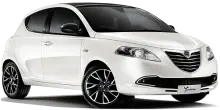
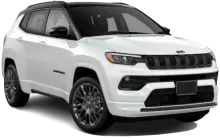
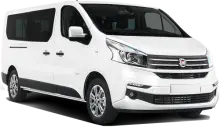


Choose the right car for your trip in Egilsstadir, Iceland and book in minutes. Compare trusted rental options, find great daily rates, and secure convenient airport pick-up for your travel dates.
Arriving at Egilsstadir Airport and planning to explore Iceland by car? You’ve made a great choice. This guide covers everything you need to know about picking up your rental, understanding the costs, and getting comfortable behind the wheel in Iceland’s unique landscapes.
Rental car desks at Egilsstadir Airport are generally located within the main terminal building, close to the arrivals area. Several companies typically operate here, offering a range of vehicles to suit different needs and budgets. You’ll commonly find options from well-known providers. Expect a short walk from baggage claim to the rental counters.
Iceland’s terrain calls for thoughtful car selection. Here are some popular choices for visitors:
| Economy | $50 - $80 / day |
| Compact | $60 - $90 / day |
| Standard | $80 - $120 / day |
| SUV (Small) | $100 - $150 / day |
| SUV (Large) | $150 - $250 / day |
| 4x4 | $180 - $300+ / day |
Prices change by season and availability.
For exploring the Highlands or traveling in winter, a 4x4 vehicle is highly recommended. Even in summer, an SUV provides extra clearance and stability on gravel roads. If you plan to stick to the Ring Road, a smaller, more fuel-efficient car might be sufficient.
To rent a car in Iceland, you’ll generally need a valid driver’s license, a credit card in the renter’s name, and a passport. The minimum age is usually 20, but some companies may have higher age requirements, especially for certain vehicle categories. A deposit will be required, held on your credit card, to cover potential damage or excess mileage. Payment by debit card is often restricted, so check with the rental company beforehand.
Rental companies will offer various insurance options. CDW (Collision Damage Waiver) reduces your financial responsibility in case of damage to the vehicle. Theft Protection covers loss or damage due to theft. Excess insurance lowers the amount you’ll pay out-of-pocket for any damage. Carefully review the terms of each insurance option and consider your personal risk tolerance. Don’t hesitate to ask the rental agent to explain the coverage in detail.
Icelandic roads can be challenging. Speed limits are generally 90 km/h (56 mph) on paved roads and 80 km/h (50 mph) on gravel roads. Be aware of sheep and other animals crossing the roads, especially in rural areas. Tolls apply to certain tunnels, and payment is usually handled electronically. Parking in towns and cities often requires payment, and parking regulations are strictly enforced. Always check the road conditions at road.is before setting out, especially during winter.
Generally, no. A valid driver’s license from your home country is usually sufficient, but check with your rental company.
Your insurance (CDW) will cover some or all of the damage, depending on your coverage level and the type of damage.
Yes, but you’ll need to declare the additional driver at pickup and they’ll need to meet the same requirements as the primary driver.
Most companies require a major credit card in the renter’s name for the deposit and rental fee.
It depends on your itinerary. If you plan to explore the Highlands or travel in winter, a 4x4 is strongly recommended.
Yes, tolls apply to certain tunnels. Payment is usually automatic.
They drive on the right side of the road in Iceland, just like in most of Europe and North America.
Rental cars come with a spare tire and tools. The rental company should provide instructions.
It can be challenging. Roads can be icy and snowy, and visibility can be poor. A 4x4 vehicle and winter tires are essential.
Book in advance, travel during the off-season, and compare prices from different companies.
Excess is the amount you’re responsible for paying out-of-pocket before your insurance coverage kicks in.
Yes, but check with the rental company first, as some may have restrictions on certain areas.