Small cars

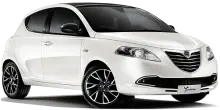
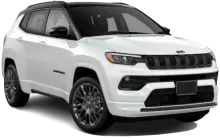
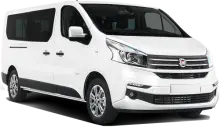
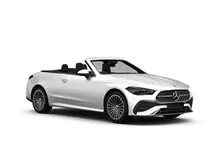

Choose the right car for your trip in Budapest, Hungary and book in minutes. Compare trusted rental options, find great daily rates, and secure convenient airport pick-up for your travel dates.
Arriving at Budapest Ferenc Liszt International Airport and planning to explore Hungary by car? Renting a vehicle offers fantastic freedom, but the process can feel a little daunting. This guide covers everything from finding your rental desk to understanding local driving conditions, helping you start your trip smoothly.
Rental car desks are generally located within the airport terminal buildings, often accessible from the arrivals hall. You’ll likely find a consolidated rental car area, making it easy to compare options. Several companies typically operate at Budapest Airport, including well-known names. Expect a short walk or a shuttle ride to the actual vehicle pickup points, which are usually located a short distance from the terminal.
Budapest and the surrounding areas are best explored with a vehicle suited to your needs. Here are some popular choices:
| Economy | $20 - $35 / day |
| Compact | $25 - $40 / day |
| Intermediate | $30 - $50 / day |
| Standard | $40 - $60 / day |
| SUV | $50 - $80 / day |
| Luxury | $80+ / day |
Prices change by season and availability.
To rent a car in Hungary, you’ll generally need a valid driver’s license, held for at least one year. If your license isn’t in Hungarian, an International Driving Permit is often required. Most rental companies require renters to be at least 21 years old, though age restrictions and associated fees can vary. A credit card in the renter’s name is essential for the security deposit, which can range significantly depending on the vehicle type. Debit cards are sometimes accepted, but often with stricter conditions.
Rental companies will offer various insurance options. Collision Damage Waiver (CDW) covers damage to the rental car itself. Theft Protection covers loss or damage due to theft. Pay attention to the ‘excess’ – this is the amount you’re still liable for in case of damage or theft. You can often reduce the excess by purchasing additional insurance, but carefully consider if it’s worth the cost. Check if your existing credit card or travel insurance provides any coverage before making a decision. Don’t hesitate to ask the rental agent to clearly explain all insurance options and their implications.
Hungary has a network of motorways with tolls. You’ll need to purchase a vignette (toll sticker) to use these roads. These are available online, at petrol stations near the border, and sometimes at rental locations. Parking in Budapest can be challenging, especially in the city center. Look for designated parking zones and pay attention to signage. Speed limits are generally 130 km/h on motorways, 90 km/h on main roads outside built-up areas, and 50 km/h in built-up areas. Be aware of speed cameras.
A vignette is a toll sticker required to use Hungary’s motorways. You must display it on your windshield.
Generally, yes, but an International Driving Permit is often required alongside your US license.
Deposit amounts vary, but expect several hundred US dollars, depending on the car class.
Your insurance (CDW) will cover damage, but you’ll likely be responsible for the ‘excess’ amount.
Parking can be difficult, especially in the city center. Look for designated parking zones.
Many rental companies offer GPS units for an additional daily fee, but you can also use a smartphone app.
Yes, but you’ll usually need to pay an extra daily fee and the additional driver must meet the rental requirements.
A major credit card in the renter’s name is almost always required. Debit card acceptance is less common.
Report the accident to the police and the rental company immediately. Obtain a police report.
Yes, but they are often less common and may be more expensive than manual transmissions.
Most companies require renters to be at least 21, with potential extra fees for younger drivers.
Booking in advance, especially during peak season, is highly recommended to secure the best rates and availability.