Small cars

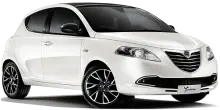

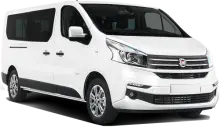


Choose the right car for your trip in Bristol, United Kingdom and book in minutes. Compare trusted rental options, find great daily rates, and secure convenient airport pick-up for your travel dates.
Arriving at Bristol Airport and planning to explore the southwest of England? Renting a car offers fantastic freedom. This guide covers everything from collecting your vehicle and understanding the costs, to a few things to keep in mind while driving in the United Kingdom.
Rental desks are generally located within the main terminal building, often near the baggage claim area. Follow the signs for ‘Car Rental’ or ‘Ground Transportation’ upon arrival. Most companies offer shuttle services to the actual car park where your vehicle will be, though some have desks directly adjacent to the parking facilities. You’ll typically find a good selection of rental companies operating at Bristol Airport, including well-known names.
The best car for you depends on your travel plans. Here are some popular options, keeping in mind the often narrow country lanes in the region:
| Economy | $30 - $50/day |
| Compact | $40 - $60/day |
| Intermediate | $50 - $70/day |
| Standard | $60 - $80/day |
| SUV | $70 - $120/day |
| Luxury | $100+/day |
Prices change by season and availability.
For exploring cities, an economy or compact car is usually sufficient. If you’re planning on rural adventures or have a lot of luggage, an SUV or larger vehicle might be more comfortable. Consider an automatic transmission if you’re not used to driving a manual.
To rent a car in the United Kingdom, you’ll generally need a valid driver’s license (held for at least a year), a credit card in the main driver’s name, and a passport. The minimum age is usually 21, but drivers under 25 may face additional fees. Rental companies will require a security deposit, which is typically held on your credit card and released upon the vehicle’s safe return. Be aware of the deposit amount, as it can be substantial.
Rental agreements often include Collision Damage Waiver (CDW), which covers damage to the rental car itself. However, CDW usually has an ‘excess’ – the amount you’re still responsible for paying. You can reduce this excess by purchasing additional insurance, either through the rental company or a third-party provider. Theft Protection is also commonly offered. Carefully review the terms of each insurance option and ask the rental agent to explain any unclear points. It’s wise to understand what’s covered and what isn’t before you drive away.
Driving is on the left side of the road in the UK. Roundabouts are common, and you must give way to traffic already on the roundabout, approaching from your right. Speed limits are posted in miles per hour. Motorways (highways) generally have a speed limit of 70 mph, while single carriageways and built-up areas are typically 30 mph. Parking can be limited and expensive in city centers. Be aware that some roads may have congestion charges or tolls, particularly in larger cities. Plan your route in advance and allow extra time for travel, especially in rural areas.
You’ll typically need your driver’s license, passport, and a credit card in the main driver’s name.
For short-term rentals, an International Driving Permit isn’t usually required if your license is in English. Check the specific requirements based on your license’s country of origin.
The ‘excess’ is the amount you’re responsible for paying towards any damage, even with CDW insurance.
Yes, but you’ll usually need to pay an extra daily fee and the additional driver must meet the same requirements as the main driver.
Report any damage to the rental company immediately. They’ll provide instructions on how to proceed with a claim.
Tolls are relatively uncommon, but some bridges and roads (like the Dartford Crossing near London) have charges.
You drive on the left side of the road in the United Kingdom.
You are responsible for paying any parking tickets you receive. The rental company may charge an administration fee for handling the ticket.
Generally, you can, but you must inform the rental company in advance and may need to pay an additional fee.
Credit cards are almost always required for the deposit and rental fee. Debit cards are often not accepted.
You’ll likely be charged an additional day’s rental fee, or an hourly rate.
Follow the signs for ‘Car Rental’ or ‘Ground Transportation’ within the terminal building.