Small cars


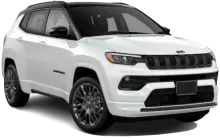
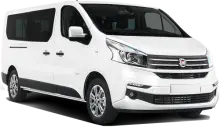


Choose the right car for your trip in Anchorage, United States and book in minutes. Compare trusted rental options, find great daily rates, and secure convenient airport pick-up for your travel dates.
Arriving at Ted Stevens Anchorage International Airport and planning to explore Alaska by car? Renting a vehicle offers fantastic freedom, but the process can feel a little overwhelming after a flight. This guide covers everything from finding your rental desk to understanding your insurance options and navigating Alaskan roads.
Rental car desks are generally located within the airport terminal, often in the baggage claim area or a dedicated transportation center. You’ll typically find a variety of companies operating at ANC, including well-known names. Expect a bit of paperwork upon arrival – reviewing the rental agreement carefully is crucial. Take your time, and don’t hesitate to ask questions about anything you don’t understand. Before leaving the lot, thoroughly inspect the vehicle for any existing damage and document it with photos or video; this can save you headaches later.
Anchorage and the surrounding areas offer diverse driving conditions, from city streets to potentially challenging mountain roads. Here are some popular vehicle types for visitors:
| Economy | $40 - $60 / day |
| Compact | $50 - $70 / day |
| Intermediate | $60 - $80 / day |
| Standard | $70 - $90 / day |
| SUV (Small/Mid-Size) | $80 - $150 / day |
| Luxury | $120+ / day |
Prices change by season and availability.
For exploring beyond Anchorage, an SUV with all-wheel drive is often a good choice, especially during the winter months. If you’re sticking to city driving, an economy or compact car will likely suffice.
Generally, you’ll need a valid driver’s license, a major credit card in your name, and be at least 21 years old to rent a car in the United States. Drivers under 25 may face additional fees. Rental companies will typically place a hold on your credit card for the estimated rental cost plus a security deposit. Payment methods are usually major credit cards; debit cards may be accepted with restrictions. Be sure to understand the deposit amount and how it will be returned.
Rental companies will offer various insurance products. Collision Damage Waiver (CDW) covers damage to the rental car itself. Theft insurance protects against vehicle theft. Excess insurance reduces the amount you’d pay out-of-pocket in case of damage or theft. Check if your existing auto insurance or credit card provides coverage before purchasing additional insurance at the rental counter. It’s always a good idea to ask the agent to clearly explain what each insurance option covers.
Alaska has a vast road network, but distances can be long. Speed limits are generally 55 mph on highways and 35 mph in urban areas, but always check posted signs. Toll roads are uncommon in Alaska. Parking is usually available in cities like Anchorage, but can be limited in popular tourist destinations. Be prepared for varying weather conditions, especially during the winter, and always drive according to the conditions.
Rental car desks are typically located inside the airport terminal, often near baggage claim or a central transportation area.
You’ll generally need a valid driver’s license, a major credit card, and be at least 21 years old.
Collision Damage Waiver covers damage to the rental vehicle itself.
Possibly. Check with your insurance provider to see if your policy extends to rental cars.
An SUV, especially with all-wheel drive, is often a good choice, particularly during winter or if you plan to explore beyond Anchorage.
Thoroughly inspect the car for any existing damage and document it with photos or video.
Toll roads are uncommon in Alaska.
Drivers under 25 may be subject to additional fees.
Major credit cards are typically accepted. Debit cards may have restrictions.
The rental company will place a hold on your credit card for the estimated rental cost plus a deposit, which is refunded upon return.
Generally 55 mph on highways and 35 mph in urban areas, but always check posted signs.
Parking is usually available, but can be limited in popular tourist areas.