Small cars





Choose the right car for your trip in Tokyo, Japan and book in minutes. Compare trusted rental options, find great daily rates, and secure convenient airport pick-up for your travel dates.
Arriving at Narita and planning to explore beyond Tokyo? Renting a car offers fantastic freedom, but it’s good to be prepared. This guide covers everything from collecting your vehicle at the airport to understanding the basics of driving in Japan, including potential costs and what to expect during the rental process.
Rental desks are generally located within the airport terminals, often with shuttle buses connecting them to the actual car pickup areas. Expect a bit of paperwork – it’s standard procedure. Be prepared to show your driving license, passport, and potentially an International Driving Permit (more on that below). The rental agent will explain the terms of your agreement, so take your time and ask questions if anything is unclear. A vehicle condition report will be completed together; carefully inspect the car for any existing damage *before* you leave the lot, and make sure it’s accurately noted on the form.
Several companies typically operate at Narita International Airport, offering a wide range of vehicles. You’ll generally find options from major international providers, as well as several Japanese rental companies. The choice depends on your needs and budget. Here’s a look at some popular car classes and approximate daily rates:
| Car Class | Typical Daily Price (USD) |
|---|---|
| Economy | $30 - $50 |
| Compact | $40 - $60 |
| Intermediate | $50 - $70 |
| Standard | $60 - $80 |
| SUV | $80 - $150 |
| Luxury | $150+ |
Prices change by season and availability.
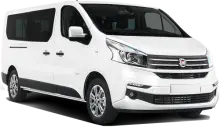
Beyond these, you can often find minivans for larger groups, and even sports cars for a more exciting experience. Consider an economy or compact car if you’ll primarily be driving in urban areas, where parking can be tight. An SUV is a good choice if you plan to explore more rural regions.
To rent a car in Japan, you generally need to be at least 21 years old, though some companies may have a higher age requirement. A valid driver’s license from your home country is usually accepted, but an International Driving Permit (IDP) is often required, especially if your license isn’t in English. Check the specific requirements of the rental company before you travel.
Deposits are standard, and are typically held on your credit card. The amount varies depending on the car class and insurance options. Payment is almost always by credit card; debit cards are rarely accepted.
Insurance can be a bit confusing. Collision Damage Waiver (CDW) covers damage to the rental car itself. Theft Protection covers loss or damage due to theft. Often, there’s an ‘excess’ – the amount you’re still responsible for in the event of a claim. You can usually reduce this excess by purchasing additional insurance at the rental desk. Ask the agent to clearly explain what is and isn’t covered by each option.
Japan has a well-maintained road network, but driving can be different from what you’re used to. Toll roads are common, and can be expensive. Have some cash handy, or check if your ETC card (Electronic Toll Collection) is accepted. Parking can be limited and costly in cities. Speed limits are generally lower than in many other countries – typically around 80 km/h on highways and 40-50 km/h in urban areas. Remember that traffic flows on the left side of the road.
It depends on your home country. Many countries require an IDP alongside your driver’s license. Check with the rental company and the Japanese authorities before you travel.
Almost all rental companies require a major credit card for both payment and the security deposit. Debit cards are rarely accepted.
If you have CDW (Collision Damage Waiver), it will cover damage to the car. However, there’s usually an excess amount you’ll be responsible for. You can reduce this excess with additional insurance.
Yes, most rental companies offer GPS navigation systems as an add-on. You can also use your smartphone with a suitable map application.
Tolls can add up, especially on long journeys. Consider using ETC (Electronic Toll Collection) if you plan to drive frequently on toll roads.
In Japan, traffic flows on the left side of the road, like in the UK and Australia.
Yes, but you’ll need to declare the additional driver at the rental desk and they’ll need to meet the same requirements as the primary driver.
Late returns usually incur extra charges, often calculated on an hourly basis. Check the rental agreement for details.
Parking in central Tokyo can be difficult and expensive. Look for designated parking garages, and be prepared to pay a fee.
Carefully inspect the car for any existing damage and ensure it’s accurately documented on the vehicle condition report. Take photos as proof.
The deposit varies depending on the car class and insurance options, but expect it to be several hundred US dollars.
Yes, you can generally drive a rental car anywhere in Japan, but check the rental agreement for any restrictions.