Small cars


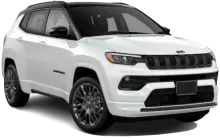



Choose the right car for your trip in Tampa, United States and book in minutes. Compare trusted rental options, find great daily rates, and secure convenient airport pick-up for your travel dates.
Arriving at Tampa International Airport and planning to explore Florida by car? Renting a vehicle offers freedom and flexibility, but the process can feel a little overwhelming. This guide covers everything from finding your rental company and understanding the paperwork to navigating local roads and avoiding unexpected costs.
Rental car desks are generally located within the main terminal, often accessible via shuttle service to a consolidated rental car facility. Several companies typically operate at Tampa International Airport, including well-known names. You’ll usually find a good selection of options to suit different needs and budgets. Expect a short walk or shuttle ride to the actual vehicle pickup area.
Tampa’s climate and surrounding areas lend themselves to a variety of rental car types. Here are some popular choices:
| Economy | $30 - $50 / day |
| Compact | $35 - $60 / day |
| Mid-Size | $40 - $70 / day |
| Standard | $45 - $80 / day |
| SUV (Small/Mid) | $60 - $120 / day |
| Luxury | $80 - $200+ / day |
Prices change by season and availability.
For exploring the city, an economy or compact car is often sufficient. If you plan on venturing further afield, perhaps to beaches or nature reserves, an SUV might be a better choice. Families often prefer larger vehicles for comfort and space.
To rent a car in the United States, you’ll generally need a valid driver’s license, a credit card in the renter’s name, and be at least 21 years old (though fees may apply for renters under 25). A passport is required for international renters. Be prepared for a security deposit, which is typically held on your credit card and released upon the vehicle’s safe return. Payment methods are usually major credit cards; debit cards may be accepted with restrictions.
Rental companies will offer various insurance products. Collision Damage Waiver (CDW) covers damage to the rental car itself. Theft insurance protects against vehicle theft. Excess insurance reduces the amount you’d pay out-of-pocket in the event of damage or theft. Check if your existing auto insurance or credit card provides coverage before purchasing additional insurance at the rental desk. Don’t hesitate to ask the agent to clearly explain the terms of each option.
Florida roads are generally well-maintained. Speed limits are posted in miles per hour. Be aware of toll roads, particularly when traveling between cities. Many tolls are collected electronically, so consider researching options like SunPass if you plan to use toll roads frequently. Parking is widely available, but can be limited in popular tourist areas. Pay attention to parking signs to avoid tickets.
Rental counters are usually in the main terminal or accessible by a free shuttle. Follow the signs for ‘Rental Cars’.
Some companies accept debit cards, but often with stricter requirements and potential additional fees. Check directly with the rental company.
If you have CDW insurance, it will cover the damage up to a certain amount. Otherwise, you’ll be responsible for the repair costs.
Generally, no, if you have a valid driver’s license from your home country. However, it’s always best to confirm with the rental company.
The deposit amount varies, but it’s usually a few hundred dollars and is held on your credit card.
Yes, especially on major highways. Consider a SunPass or other electronic toll payment method.
Rental cars come with a spare tire and tools. If you’re not comfortable changing it yourself, contact the rental company’s roadside assistance.
GPS is often available as an add-on, or you can use your smartphone’s navigation app.
Typically 21, but renters under 25 may face additional daily fees.
Yes, to avoid refueling charges, which are usually higher than gas station prices.
Contact the rental company as soon as possible. Late returns can result in extra charges.
Yes, but there’s usually a daily fee for each additional driver.