Small cars
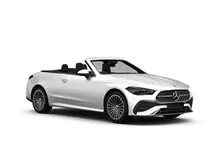
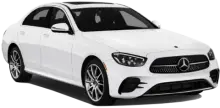
Choose the right car for your trip in Sharm el Sheikh, Egypt and book in minutes. Compare trusted rental options, find great daily rates, and secure convenient airport pick-up for your travel dates.
Arriving at Sharm El Sheikh Airport and wanting to explore the Red Sea coast at your own pace is a great idea. Renting a car offers freedom, but it’s good to know what to expect with the pickup process, potential costs, and the local driving conditions. This guide will walk you through everything you need to know to get on the road with confidence.
Rental car desks are generally located within the arrivals hall of Sharm El Sheikh Airport. You’ll typically find a range of companies offering services here. Common providers include well-known international companies, as well as some local Egyptian options. Follow the signs for ‘Car Rental’ after you collect your luggage. Some companies also operate shuttle services to off-airport pickup locations, but most have desks directly at the terminal.
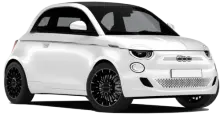
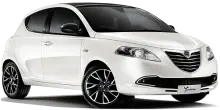
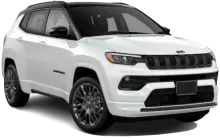
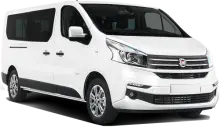
The best car for you depends on your plans. For exploring Sharm el Sheikh itself, an economy or compact car is often sufficient. If you’re heading further afield, perhaps into the desert or along the coast, an SUV provides more comfort and capability. Here are ten popular choices:
Here’s a general idea of daily price ranges. Please note that prices change by season and availability.
| Car Class | Approximate Daily Price (USD) |
|---|---|
| Economy | $20 - $35 |
| Compact | $30 - $45 |
| SUV | $50 - $80 |
| Luxury | $100+ |
Generally, you’ll need a valid driver’s license from your home country. An International Driving Permit (IDP) is often recommended, and sometimes required, especially if your license isn’t in English or Arabic. The minimum age to rent a car is usually 21, but some companies may require you to be 25. A credit card in the renter’s name is essential for the deposit. Debit cards are rarely accepted for the deposit. Expect a deposit to be held on your card; the amount varies depending on the car class, but can range from $200 to $1000 or more. Payment is typically in USD, but confirm this with the rental company.
Rental companies will offer various insurance options. Collision Damage Waiver (CDW) covers damage to the rental car itself. Theft Protection covers the vehicle if it’s stolen. Often, these come with an ‘excess’ – the amount you’re still liable for in case of damage or theft. You can reduce the excess by purchasing additional insurance, but this adds to the cost. Carefully consider whether your existing travel insurance or credit card benefits already provide coverage. Don’t hesitate to ask the rental agent to clearly explain the terms of each insurance option.
Driving in Egypt can be different from what you’re used to. Roads are generally in good condition around Sharm el Sheikh, but traffic can be busy. Speed limits are often posted in kilometers per hour. Be aware of unmarked speed bumps, especially in towns. Tolls are collected on some highways. Parking can be found in most areas, but it’s often best to ask your hotel or a local for advice on safe and convenient parking spots. Defensive driving is key, and always be prepared for unexpected maneuvers from other drivers.
An IDP is often recommended, and sometimes required, especially if your license isn’t in English or Arabic. Check with the rental company beforehand.
A major credit card in the renter’s name is usually required for the deposit. Debit cards are rarely accepted.
The deposit covers potential damage, theft, or extra charges. It’s held on your credit card and refunded when the car is returned undamaged.
Collision Damage Waiver covers damage to the rental car itself, but often has an 'excess' you're still responsible for.
Basic insurance is sometimes included, but it’s often limited. Consider additional coverage to reduce your liability.
Yes, some highways have tolls. Have some small bills handy for toll booths.
Parking is generally available, but it can be limited in busy areas. Ask locals for recommendations.
In Egypt, they drive on the right side of the road.
Some companies allow rentals to drivers 21 and over, but many require renters to be 25 or older.
Carefully inspect the car for any existing damage and document it with photos or on the rental agreement before leaving the lot.
Report the accident to the police and the rental company immediately. Get a police report for insurance purposes.
A 4x4 isn't usually needed for Sharm el Sheikh itself, but it's helpful if you plan to explore the desert or more remote areas.