Small cars

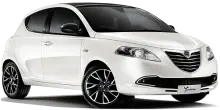
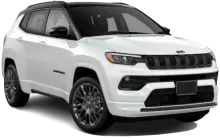
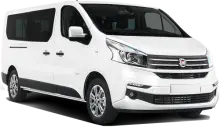


Choose the right car for your trip in Sao Paulo, Brazil and book in minutes. Compare trusted rental options, find great daily rates, and secure convenient airport pick-up for your travel dates.
Arriving at Sao Paulo-Guarulhos International Airport and planning to explore beyond the city? Renting a car offers flexibility, but it’s good to know what to expect with the pickup process, potential costs, and driving conditions in Brazil. This guide will walk you through finding a rental, understanding your options, and getting ready for the road.
Most rental companies operate from dedicated desks within the airport terminals. You’ll typically find these desks in the arrivals area, clearly signposted. Some companies also offer shuttle services to off-airport pickup locations, which can sometimes offer more competitive rates, but will add time to your journey. Common rental companies serving Sao Paulo-Guarulhos include a variety of well-known international and local providers.
The best car for you depends on your travel plans. For city driving and fuel efficiency, an economy or compact car is a good choice. If you’re planning to explore outside of Sao Paulo, or prefer a higher driving position, consider an SUV. For longer trips and comfort, a larger sedan or luxury vehicle might be preferable. Here’s a general idea of what’s typically available:
| Car Class | Typical Daily Price (USD) |
|---|---|
| Economy | $20 - $35 |
| Compact | $25 - $40 |
| Intermediate | $35 - $50 |
| Standard | $45 - $65 |
| SUV | $60 - $100+ |
| Luxury | $100+ |
Prices change by season and availability.
Generally, you’ll need a valid driver’s license from your home country, and often an International Driving Permit is recommended, though not always required. The minimum age to rent a car is usually 21, but drivers under 25 may face additional fees. Be prepared to present a valid passport and a major credit card in the driver’s name. Rental companies will typically place a deposit on your card to cover potential damages or extra charges. The deposit amount varies, but can be substantial, so check the terms carefully. Debit cards are sometimes accepted, but often with stricter conditions.
Rental agreements come with a lot of insurance jargon. Collision Damage Waiver (CDW) covers damage to the rental car itself. Theft Protection covers the vehicle if it’s stolen. Often, these come with an ‘excess’ – the amount you’re still responsible for paying in case of damage or theft. You can often reduce this excess by purchasing additional insurance at the rental desk, but weigh the cost against the potential risk. Your existing travel insurance or credit card benefits might already provide some coverage, so check before you travel.
Brazil has a network of toll roads, especially on major highways. Have some cash or a debit card handy for these. Parking in Sao Paulo can be challenging, and paid parking is common. Speed limits are generally posted in kilometers per hour. Be aware of traffic conditions, especially during peak hours, and drive defensively. It’s always a good idea to familiarize yourself with local traffic laws before you set off.
It’s often recommended, but not always required. Check with the specific rental company beforehand.
Major credit cards are generally required for the rental and deposit. Debit cards may be accepted with restrictions.
The deposit covers potential damage to the vehicle, theft, or extra charges incurred during the rental period.
Basic insurance (CDW and theft protection) is often included, but usually with an excess. You can purchase additional coverage.
Yes, especially on major highways. Be prepared to pay tolls in cash or with a debit card.
Parking can be challenging, particularly in the city center. Paid parking is common.
In Brazil, they drive on the right side of the road.
Yes, but you’ll usually need to pay an additional daily fee and the extra driver must meet the rental requirements.
Report the damage to the rental company immediately and follow their instructions for filing a claim.
Yes, you can usually rent a GPS navigation system with your car, or use a smartphone app.
Report the theft to the police and the rental company immediately. You’ll need a police report for insurance purposes.
Generally, yes, but it’s best to check with the rental company beforehand to confirm any restrictions.