Small cars



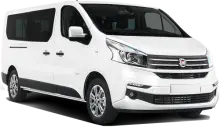


Choose the right car for your trip in Lappeenranta, Finland and book in minutes. Compare trusted rental options, find great daily rates, and secure convenient airport pick-up for your travel dates.
Arriving at Lappeenranta Airport and planning to explore Finland by car? Renting a vehicle offers fantastic freedom, but it’s good to know what to expect with the pickup process, potential costs, and the specifics of driving in this part of Europe. This guide will walk you through everything you need to know to get on the road with confidence.
Rental car desks are generally located within the main airport terminal building. You’ll likely find a selection of companies offering services, including well-known names. Follow the signs for ‘Car Rental’ or ‘Ground Transportation’ upon arrival. Some companies also operate shuttle services to off-airport pickup locations, so be sure to check the details of your reservation.
The best car for you depends on your travel plans. Here are some common choices:
| Economy | $30 - $50 |
| Compact | $40 - $60 |
| Intermediate | $50 - $70 |
| Standard | $60 - $80 |
| SUV | $80 - $120 |
| Luxury | $120+ |
Prices change by season and availability.
For exploring the countryside, a compact or intermediate car is often sufficient. If you’re traveling with a family or anticipate needing extra space, an SUV is a good option. During winter months, consider a vehicle with all-wheel drive for added safety.
To rent a car in Finland, you’ll generally need a valid driver’s license held for at least one year. If your license isn’t in English or Finnish, an International Driving Permit is usually required. The minimum age is typically 19 or 21, but drivers under 25 may face additional fees. Be prepared to present a valid passport and a major credit card in the driver’s name for the deposit. Debit cards are often not accepted for the deposit.
Rental companies will offer various insurance options. Collision Damage Waiver (CDW) covers damage to the rental car itself. Theft Protection covers loss or damage due to theft. Often, these come with an ‘excess’ – the amount you’re responsible for paying in the event of a claim. You can reduce the excess by purchasing additional insurance, but this adds to the cost. Carefully review the terms and conditions of each insurance option and ask the rental agent to explain them clearly. Your existing auto insurance or credit card benefits might provide some coverage, so check before you travel.
Finland has a well-maintained road network. Speed limits are generally 80 km/h on highways, 50-60 km/h on rural roads, and 50 km/h in urban areas. Pay attention to signage, as limits can change. Toll roads are not widespread, but some bridges and tunnels may have fees. Parking in cities can be limited and often requires payment. Be aware of the possibility of reindeer or moose crossing the roads, especially in rural areas, particularly at dawn and dusk. Winter tires are legally required during the winter months.
Typically, you’ll need a valid driver’s license, a passport, and a major credit card.
If your driver’s license isn’t in English or Finnish, an International Driving Permit is usually necessary.
The minimum age is usually 19 or 21, but younger drivers may pay extra.
CDW (Collision Damage Waiver) covers damage to the rental car itself.
The 'excess' is the amount you pay towards a claim before the insurance covers the rest.
Toll roads aren’t widespread, but some bridges and tunnels may have fees.
Winter tires are legally required during the winter months.
Generally, a major credit card is required for the deposit; debit cards are often not accepted.
In Finland, they drive on the right side of the road.
Parking in the city center can be limited, and often requires payment.
Rental cars should include a spare tire and tools. If you’re unsure how to change it, contact the rental company for assistance.
Report any damage to the rental company immediately and follow their instructions for filing a claim.