Small cars



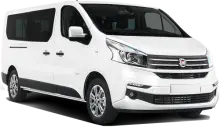


Choose the right car for your trip in Hiroshima, Japan and book in minutes. Compare trusted rental options, find great daily rates, and secure convenient airport pick-up for your travel dates.
Arriving at Hiroshima Airport and planning to explore beyond the city? Renting a car offers fantastic freedom. This guide covers everything from collecting your vehicle and understanding the costs, to a few things to keep in mind while driving in Japan.
Rental car desks are generally located within the main terminal building, often near the baggage claim area. Follow the signs for ‘Rental Cars’ or ‘Car Rental’ – they are usually quite clear. Most companies offer a shuttle service from the desks to the actual car pickup points, which may be a short distance from the terminal. Allow extra time for this transfer, especially if you have luggage.
You’ll typically find a good selection of rental companies operating at Hiroshima Airport. Common options include major international providers and several well-known Japanese companies. Expect a bit of paperwork upon arrival, including reviewing the rental agreement and inspecting the vehicle together with a representative.
Hiroshima and the surrounding region offer diverse driving experiences, from city streets to winding mountain roads. Here are some popular car types you’ll likely find available:
| Car Class | Typical Daily Price (USD) |
|---|---|
| Economy | $30 - $50 |
| Compact | $40 - $60 |
| Intermediate | $50 - $70 |
| Standard | $60 - $80 |
| SUV | $80 - $150 |
| Luxury | $150+ |
Prices change by season and availability.
To rent a car in Japan, you’ll generally need a valid driver’s license from your home country (an International Driving Permit is often required, depending on your nationality – check the specific requirements before you travel). You’ll also need your passport and a credit card in the primary driver’s name. The minimum age is usually 21, though some companies may have higher age restrictions, and young driver surcharges may apply.
Deposits are standard and are held on your credit card to cover potential damage or excess mileage. The amount varies depending on the car class and insurance options. Be sure to understand the deposit terms before signing the agreement. Payment is almost always by credit card; debit cards are rarely accepted.
Rental companies will offer various insurance options. Collision Damage Waiver (CDW) covers damage to the rental car itself. Theft Protection covers loss or damage due to theft. Often, these come with an ‘excess’ – the amount you’re still responsible for paying in the event of a claim. You can reduce the excess by purchasing additional insurance, but this will increase the daily rental cost. Carefully consider your existing insurance coverage and your comfort level with the excess amount. Don’t hesitate to ask the rental agent to explain the options clearly.
Japan has a well-maintained road network, but driving customs differ from many other countries. Roads are generally very clean and well-marked. Toll roads are common, especially on expressways, and can be expensive. Have some cash handy, or check if your ETC card (Electronic Toll Collection) is accepted. Parking can be limited and costly in city centers. Speed limits are generally lower than in many Western countries – typically around 80 km/h on expressways and 40-50 km/h in urban areas. Remember that traffic flows on the left side of the road.
It depends on your nationality. Check the requirements based on your driver’s license country of issue before you travel.
Almost all rental companies require a major credit card in the primary driver’s name.
Your insurance (CDW) will cover damage, but you may be responsible for an ‘excess’ amount.
Yes, GPS navigation systems are usually available as an add-on, or sometimes included in higher car classes.
Yes, but you’ll need to declare the additional driver at pickup and they’ll need to meet the same requirements as the primary driver.
In Japan, traffic flows on the left side of the road.
Expressway tolls can add up, especially for longer distances. Consider budgeting for this.
Generally 21, but some companies may require you to be older, and may charge a young driver fee.
CDW covers damage to the rental vehicle itself, but usually has an excess amount you’re responsible for.
Parking can be limited and expensive in the city center. Look for designated parking areas.
Some rental companies restrict travel to certain areas or islands. Check the rental agreement.
Rental cars come with a spare tire and tools. The rental company should provide instructions.