Small cars


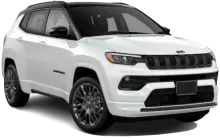



Choose the right car for your trip in Hilo, United States and book in minutes. Compare trusted rental options, find great daily rates, and secure convenient airport pick-up for your travel dates.
Arriving at Hilo International Airport and ready to explore the Big Island? Renting a car offers the most freedom to discover waterfalls, volcanoes, and stunning coastal scenery. This guide covers everything from finding your rental to understanding local driving conditions, helping you start your Hawaiian adventure smoothly.
Rental car desks are generally located within the main terminal building at Hilo International Airport. You’ll likely find several companies offering services here. After completing the paperwork, you’ll be directed to the parking area for vehicle pickup, which is usually a short shuttle ride from the terminal. Take your time during the vehicle inspection; carefully note any existing scratches or damage on the rental agreement *before* leaving the lot. A quick walk-around with photos on your phone is a good idea.
Several well-known rental companies typically operate at Hilo International Airport. You can usually find options from companies like Alamo, Avis, Budget, Enterprise, Hertz, and National. The best vehicle for your trip depends on your plans. Here are some popular choices:
Here’s a general idea of what you might expect to pay per day. Please remember prices change by season and availability.
| Car Class | Typical Daily Price (USD) |
|---|---|
| Economy | $50 - $80 |
| Compact | $60 - $90 |
| Intermediate | $70 - $100 |
| Standard | $80 - $120 |
| SUV (Small) | $90 - $150 |
| SUV (Mid-Size) | $120 - $200 |
For exploring the diverse terrain of the Big Island, an SUV can be particularly useful, especially if you plan on visiting Volcanoes National Park or driving on unpaved roads. If you’re sticking to main highways, a compact or intermediate car will likely suffice.
Generally, you’ll need a valid driver’s license, a major credit card in your name, and be at least 21 years old to rent a car in the United States. Drivers under 25 may face an additional young driver fee. The rental company will authorize a deposit on your credit card to cover potential costs like fuel or damage. Payment methods are usually major credit cards; debit cards may be accepted with restrictions. Be sure to understand the deposit amount and how it will be returned.
Rental companies will offer various insurance options. Collision Damage Waiver (CDW) covers damage to the rental car itself. Theft insurance protects against vehicle theft. Excess insurance reduces the amount you’d pay out-of-pocket in case of damage or theft. Check if your existing auto insurance or credit card provides rental car coverage *before* accepting additional insurance at the rental counter. Don’t hesitate to ask the agent to explain the details of each option clearly.
Driving in the United States requires you to drive on the right side of the road. Speed limits are generally posted in miles per hour. Parking is usually available at beaches, parks, and attractions, but can sometimes be limited, especially during peak season. Toll roads are not common in Hawaii. Be aware that road conditions can vary significantly, especially in more remote areas. Always check the weather forecast before heading out, and be prepared for potential rain or fog.
You’ll typically need a valid driver’s license, a major credit card, and be at least 21 years old.
Most rentals include options like CDW to cover damage. Understand your insurance coverage before accepting extras.
No, toll roads are not common in Hawaii.
You drive on the right side of the road in the United States.
Some companies accept debit cards, but often with restrictions and additional requirements.
Check if your existing auto insurance or credit card provides coverage. Otherwise, consider CDW and theft insurance.
Drivers under 25 may be subject to a young driver fee.
Rental desks are usually located inside the main terminal building.
An SUV is helpful for exploring diverse terrain, but a compact car is fine for highway driving.
The rental company will authorize a deposit on your credit card to cover potential charges.
Carefully inspect the car for any existing damage and note it on the rental agreement.
Speed limits are posted in miles per hour.