Small cars

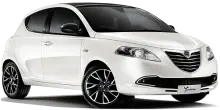
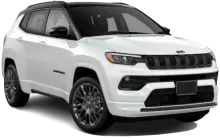
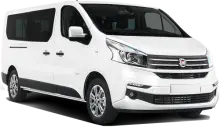


Choose the right car for your trip in Durban, South Africa and book in minutes. Compare trusted rental options, find great daily rates, and secure convenient airport pick-up for your travel dates.
Arriving at King Shaka International Airport and planning to explore Durban and beyond? Renting a car offers fantastic freedom, but the pickup process, understanding costs, and getting comfortable with local driving conditions can feel a little daunting. This guide aims to give you a clear picture of what to expect when renting a car at DUR, helping you start your South African adventure smoothly.
Rental car desks are generally located within the main terminal building, easily accessible after you’ve collected your luggage. You’ll typically find a range of companies operating at King Shaka International Airport, including well-known names. Follow the signs for ‘Car Rental’ or ‘Ground Transportation’ to find the rental area. Most companies also offer shuttle services to off-airport pickup locations, though these are less common.
The best car for you depends on your travel plans. For city driving and fuel efficiency, an economy or compact car is a great choice. If you’re planning to explore more rugged terrain or travel with a family, an SUV will provide more space and comfort. Here’s a general idea of what’s typically available:
| Car Class | Typical Daily Price (USD) |
|---|---|
| Economy | $20 - $35 |
| Compact | $25 - $40 |
| Intermediate | $35 - $50 |
| Standard | $45 - $65 |
| SUV | $60 - $100+ |
| Luxury | $100+ |
Please note: prices change by season and availability.
To rent a car in South Africa, you’ll generally need a valid driver’s license. An International Driving Permit (IDP) is often recommended, especially if your license isn’t in English. The minimum age is usually 21, though some companies may have higher age requirements and surcharges for younger drivers. Be prepared to present your driver’s license, passport, and a major credit card in the renter’s name. Deposits are standard, and the amount will be held on your credit card for the duration of the rental. Payment by debit card is sometimes possible, but often comes with restrictions and may require additional insurance.
Rental companies will offer various insurance options. Collision Damage Waiver (CDW) covers damage to the rental car itself. Theft Protection covers the vehicle if it’s stolen. ‘Excess’ refers to the amount you’re responsible for paying in the event of damage or theft, even with insurance. You can often reduce the excess by purchasing additional insurance, but carefully consider if the cost is worthwhile. Always ask the rental agent to clearly explain what each insurance option covers and what your financial responsibility would be in different scenarios.
Driving is on the left side of the road in South Africa. Speed limits are generally posted in kilometers per hour. Major routes often have toll roads; have some small bills or a toll tag ready. Parking in city centers can be limited and sometimes requires payment. Be aware of your surroundings, especially in urban areas, and avoid leaving valuables visible in your car. Road conditions are generally good on major highways, but can vary on smaller roads.
An IDP is recommended, especially if your driver’s license isn’t in English. Check with your rental company for their specific requirements.
Major credit cards are generally required. Debit card acceptance varies and may have restrictions.
The excess is the amount you pay towards any damage or theft, even with insurance. You can often reduce it with extra coverage.
Yes, many major routes have toll roads. Keep some small change handy or consider a toll tag.
Parking in the city center can be limited and may require payment. Plan accordingly.
Driving is on the left side of the road in South Africa.
Report any damage to the rental company immediately. Your insurance coverage will apply, but you may be responsible for the excess.
Yes, but you’ll usually need to pay an additional fee and the extra driver must meet the rental requirements.
Late returns usually incur extra charges, often a full day’s rental rate.
Yes, you can usually rent a GPS navigation system or use a smartphone app for navigation.
Carefully inspect the car for any existing damage and document it with the rental company to avoid being charged later.
Be cautious when driving at night, especially in unfamiliar areas. Stick to well-lit roads and be aware of your surroundings.