Small cars

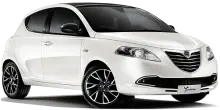

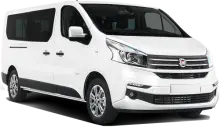


Choose the right car for your trip in Cork, Ireland and book in minutes. Compare trusted rental options, find great daily rates, and secure convenient airport pick-up for your travel dates.
Arriving at Cork Airport and planning to explore Ireland by car? Renting a vehicle offers fantastic freedom, but the pickup process, insurance options, and local driving conditions can feel a little daunting. This guide will walk you through everything you need to know to get on the road with confidence, covering costs, paperwork, and what to expect behind the wheel.
Rental car desks are generally located within the main terminal building, easily accessible after you collect your luggage. You’ll typically find representatives from several companies offering services at Cork Airport. Common providers include well-known international firms and some local Irish options. Expect a short walk or a shuttle ride to the actual vehicle pickup area, which is usually nearby.
The best car for you depends on your travel plans. For solo travelers or couples sticking to cities, an economy or compact car is often ideal. Families or those planning to explore rural areas might prefer an SUV for extra space and comfort. Here’s a general idea of what’s typically available:
| Car Class | Typical Daily Price (USD) |
|---|---|
| Economy | $30 - $50 |
| Compact | $40 - $60 |
| Intermediate | $50 - $70 |
| Standard | $60 - $80 |
| SUV | $80 - $150 |
| Luxury | $150+ |
Prices change by season and availability.
Beyond these, you’ll often find options like convertibles for scenic drives, vans for larger groups, and premium vehicles for added comfort. Consider the roads you’ll be driving on – some rural routes can be narrow!
To rent a car in Ireland, you’ll generally need a valid driver’s license (held for at least one year), a credit card in the primary driver’s name, and a passport. The minimum age is usually 21, but drivers under 25 may face additional fees. Rental companies will require a security deposit, typically held on your credit card. This covers potential damage or excess mileage. Be sure to understand the deposit amount and the process for its return.
Insurance can be a bit confusing. Collision Damage Waiver (CDW) covers damage to the rental car itself, while Theft Protection covers loss or damage due to theft. However, both usually come with an ‘excess’ – the amount you’re still responsible for paying in the event of a claim. You can often reduce this excess by purchasing additional insurance at the rental desk, but weigh the cost against the potential risk. Carefully review the terms and conditions of your existing travel insurance or credit card benefits, as they may already provide some coverage.
Driving in Ireland is generally safe, but there are a few key differences to be aware of. Roads can be narrow, especially in rural areas, and many are winding. Speed limits are posted in kilometers per hour. Tolls are common on some motorways; you can usually pay with cash or by using a tag. Parking in cities can be limited and often requires payment. Be prepared to drive on the left side of the road, and take your time adjusting!
You’ll typically need a valid driver’s license, a passport, and a credit card in the primary driver’s name.
Most companies require renters to be at least 21, but those under 25 may pay extra fees.
Collision Damage Waiver covers damage to the rental car, but usually has an excess you’re responsible for.
Tolls are common on some motorways and can be paid with cash or a tag.
Yes, in Ireland you drive on the left side of the road.
The excess is the amount you pay towards any damage before your insurance covers the rest.
Generally, a credit card is required for the deposit.
Yes, but they are often more expensive than manual transmission cars.
Report the damage to the rental company immediately and follow their instructions.
Parking can be limited and often requires payment, especially in the city center.
Rental cars should have a spare tire and tools. If you’re unsure how to change it, contact the rental company for assistance.
Yes, but there may be an extra charge for each additional driver.