Small cars

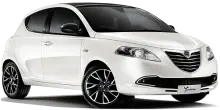
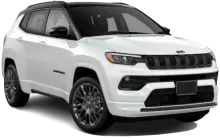



Choose the right car for your trip in Columbia, United States and book in minutes. Compare trusted rental options, find great daily rates, and secure convenient airport pick-up for your travel dates.
Arriving at Columbia Metropolitan Airport and planning to explore the area by car? Renting a vehicle offers flexibility, but it’s good to know what to expect with the pickup process, potential costs, and local driving conditions. This guide will walk you through securing a rental car at CAE, from choosing the right vehicle to understanding your insurance options.
Rental car desks are typically located within the main terminal building, often near the baggage claim area. Many companies offer shuttle services to off-airport facilities where the cars are parked, so be prepared for a short ride. At Columbia Metropolitan Airport, you’ll generally find representatives from several major rental companies, including well-known names. It’s always a good idea to have your confirmation number readily available when you approach the counter.
The best car for your trip depends on your needs. Here are some popular choices you’ll likely find available at CAE:
| Economy | $30 - $50 / day |
| Compact | $35 - $60 / day |
| Intermediate | $40 - $70 / day |
| Standard | $45 - $80 / day |
| SUV (Small/Mid-Size) | $60 - $120 / day |
| Luxury | $80 - $150+ / day |
Prices change by season and availability.
Consider how many passengers you’ll have, the amount of luggage, and the type of driving you plan to do. If you’re sticking to city streets, an economy or compact car is often sufficient. For exploring more rural areas or traveling with a family, an SUV might be a better fit.
To rent a car in the United States, you’ll generally need a valid driver’s license, a credit card in your name, and be at least 21 years old (though some companies may have a higher age requirement and charge a young driver fee). A deposit will be authorized on your credit card to cover potential costs like fuel or damage. Payment methods are almost always major credit cards; debit cards may be accepted with restrictions.
Insurance can be a bit confusing. Collision Damage Waiver (CDW) covers damage to the rental car itself, while theft insurance protects against loss due to theft. Often, your existing auto insurance or credit card benefits may provide some coverage, so check before purchasing additional insurance at the rental counter. Ask about the ‘excess’ – the amount you’d be responsible for paying even with CDW – and whether you can reduce it for an extra fee.
Think about whether you need any extras like a child safety seat or an additional driver. Adding an extra driver allows another person to legally operate the vehicle. GPS navigation systems are also available, though many travelers now rely on smartphone apps for directions.
When driving in the United States, remember that speed limits are posted in miles per hour. Be aware of toll roads, particularly if traveling longer distances. Parking regulations vary by city and town, so pay attention to signs. It’s generally safe to drive at night, but always be mindful of your surroundings.
A valid driver’s license, a credit card in your name, and your rental confirmation are essential.
Yes, almost always. Debit cards may be accepted with restrictions, so check with the rental company.
Collision Damage Waiver covers damage to the rental car itself. It doesn’t cover everything, so read the terms carefully.
Yes, but there’s usually an extra daily fee for each additional driver.
Report any damage immediately to the rental company. Your insurance (either theirs or your own) will then handle the claim.
Some areas have tolls, but they are not widespread. Be prepared to pay with cash or electronic toll passes if you encounter them.
In the United States, you drive on the right side of the road.
You can rent child seats from the rental company, but it’s often cheaper to bring your own if you’re traveling with young children.
Most rental companies offer a grace period for flight delays. Contact them as soon as possible to let them know.
Generally, no, if you have a valid driver’s license from your home country. However, it’s always best to check the specific requirements.
The excess is the amount you’re responsible for paying towards any damage, even if you have CDW. You can often reduce this for an extra fee.